From the endless plains of the Serengeti to the summit of Kilimanjaro and the spice-scented shores of Zanzibar, Tanzania brings together some of Africa’s most unforgettable landscapes, wildlife and cultures.
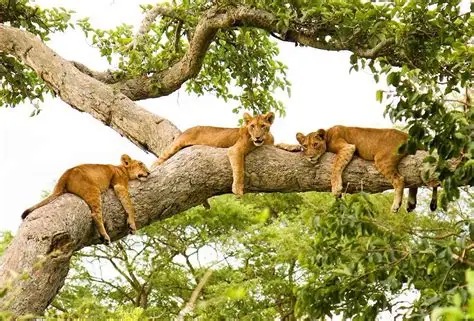
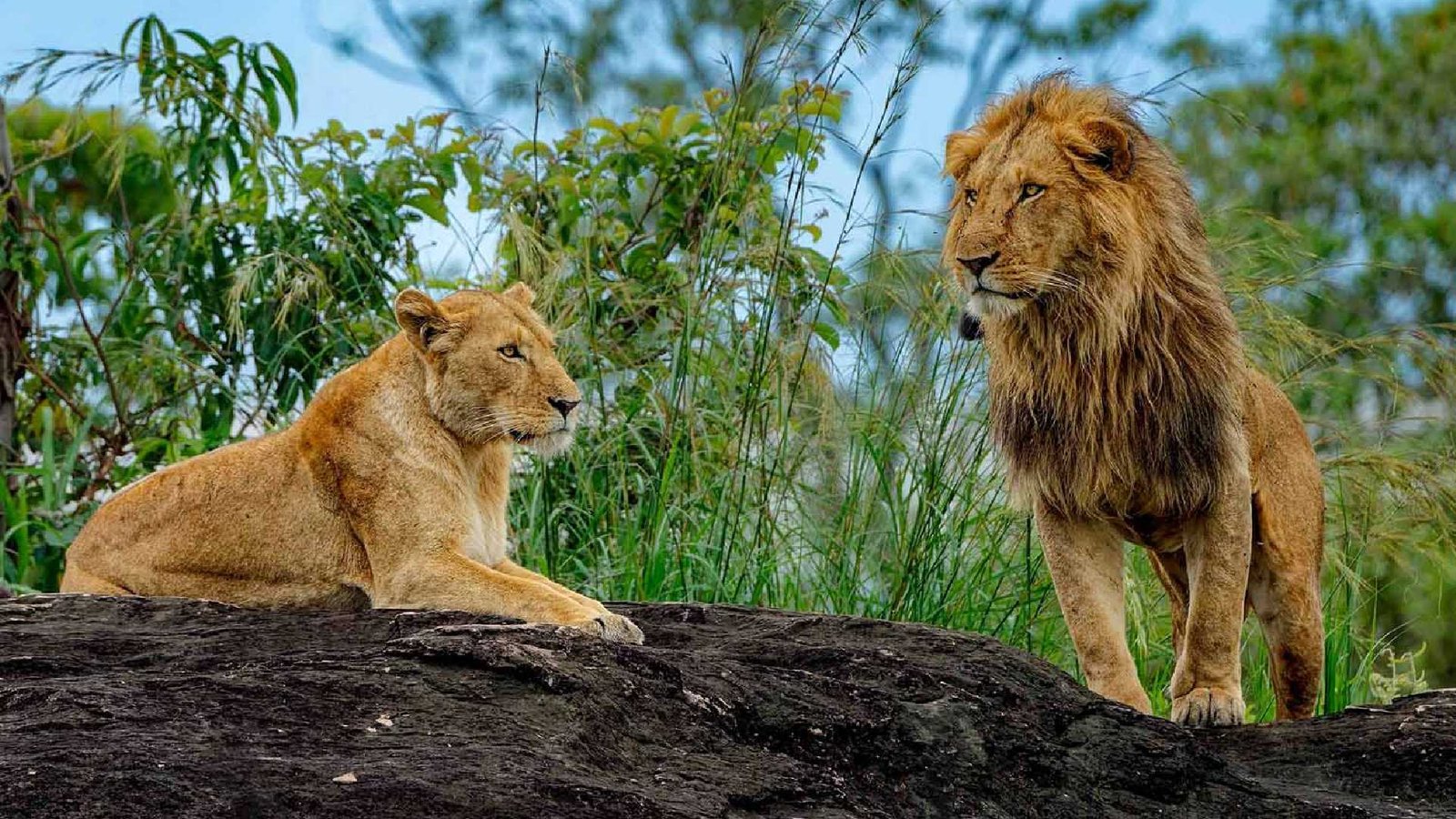
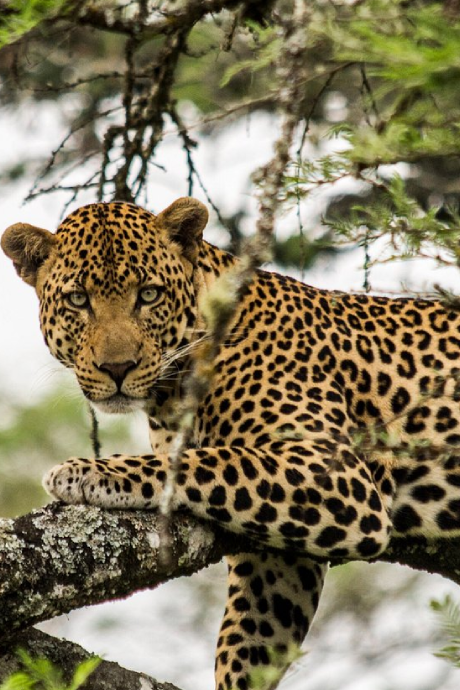
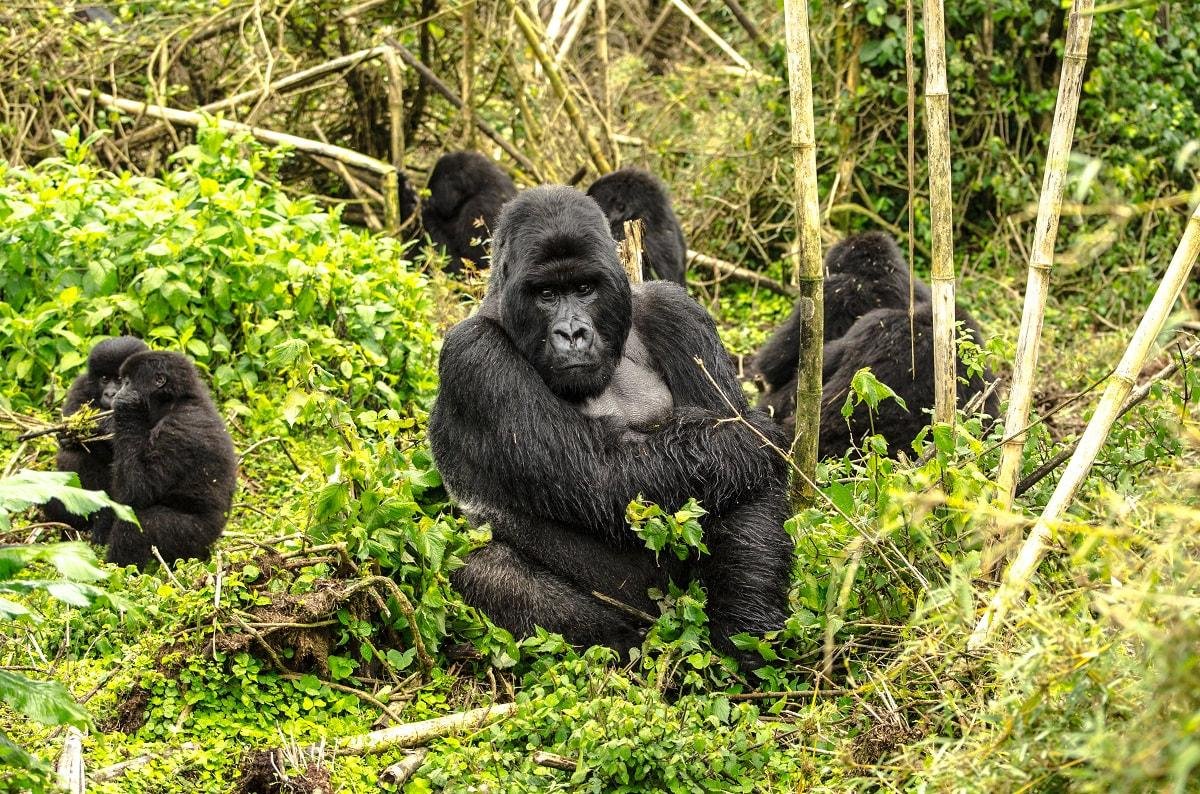
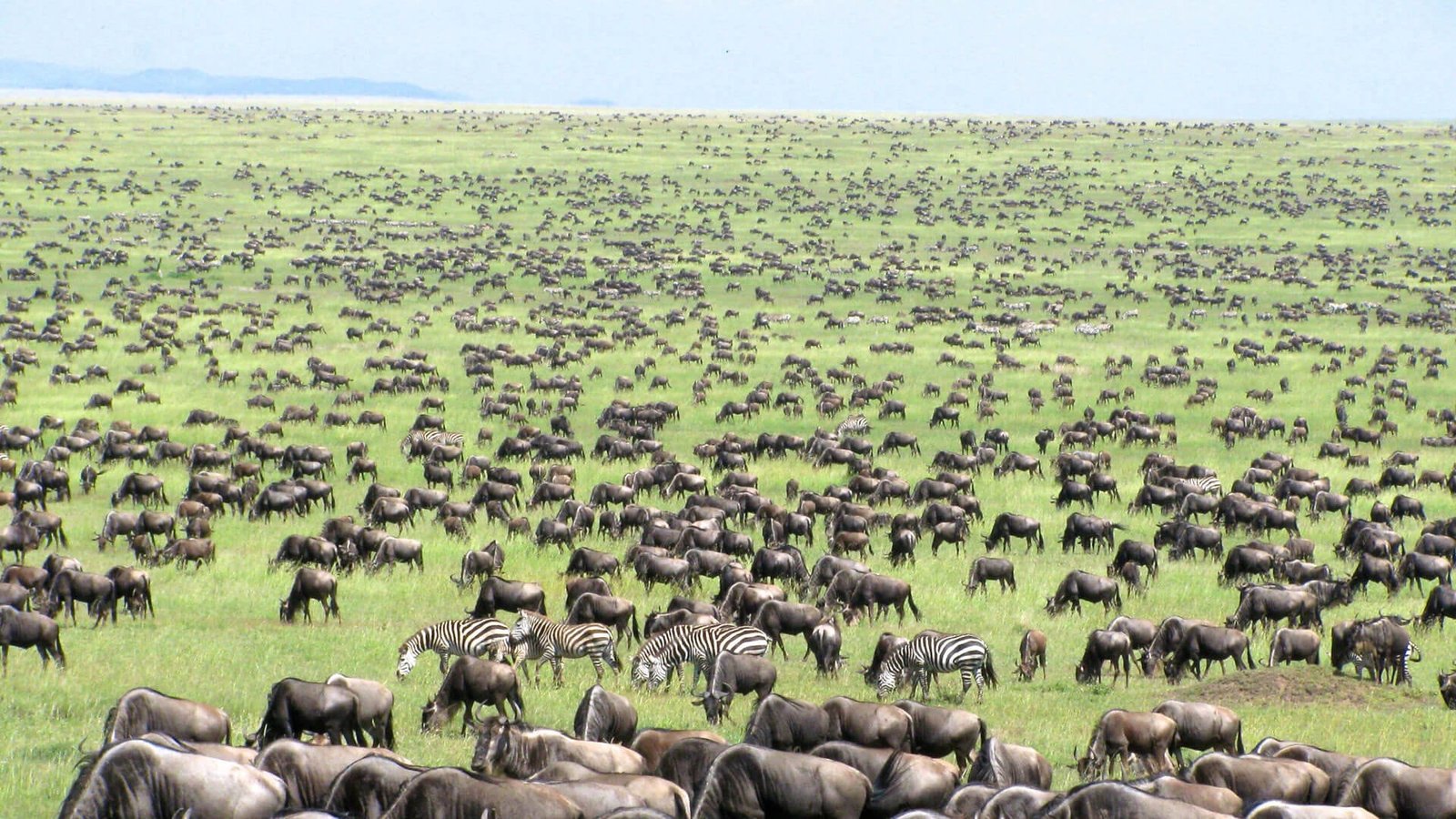
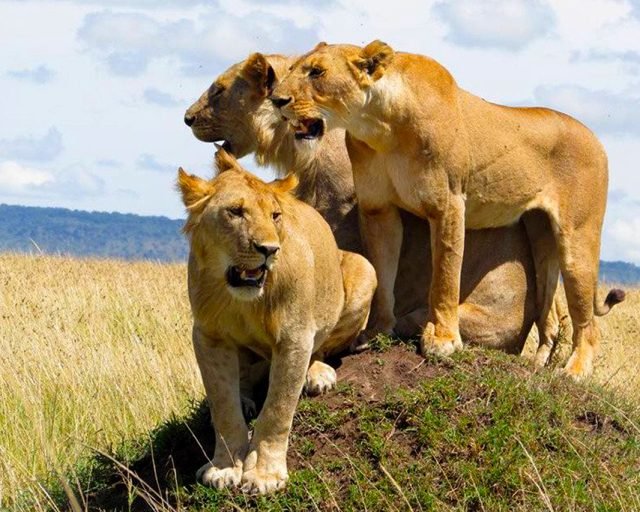
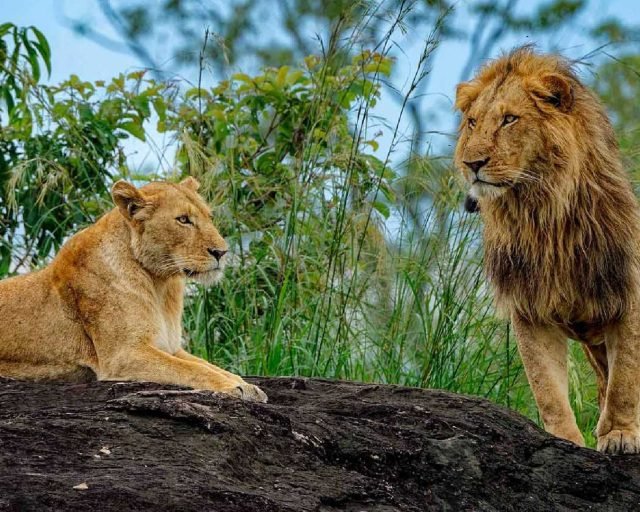
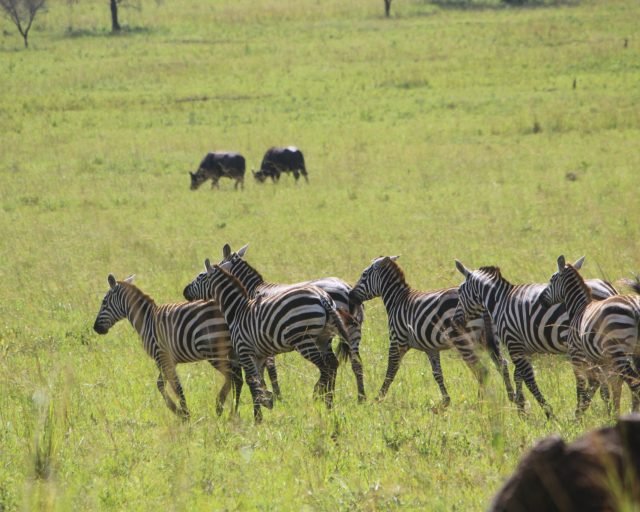
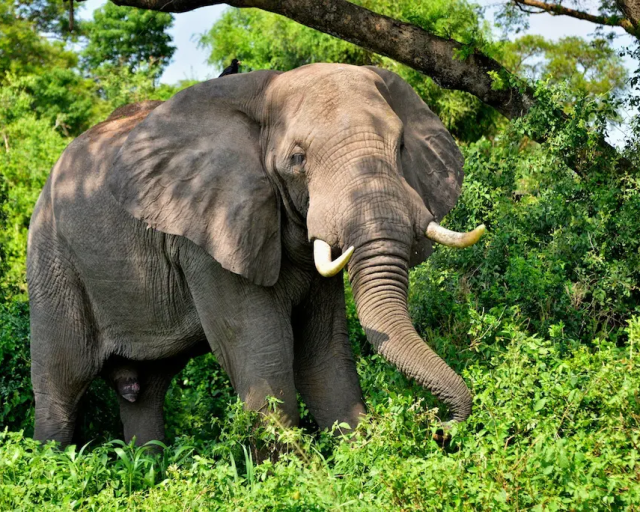
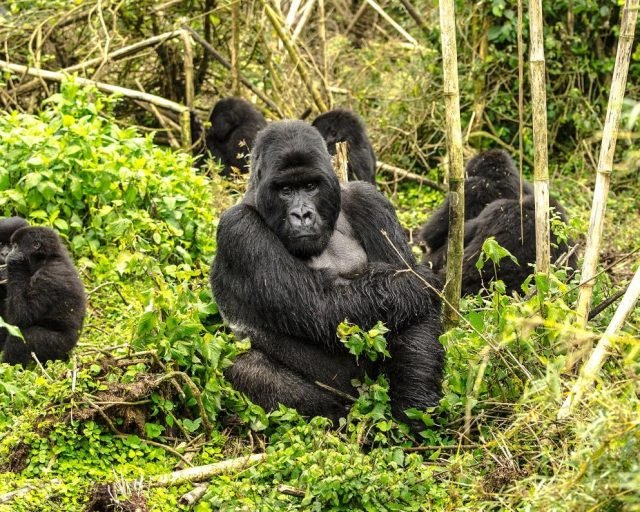
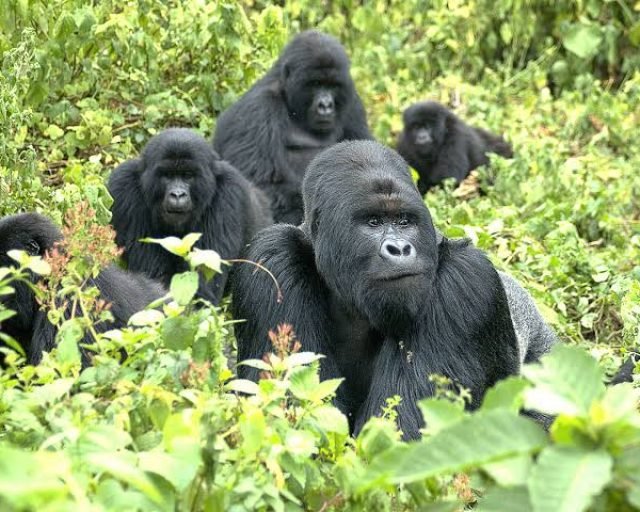
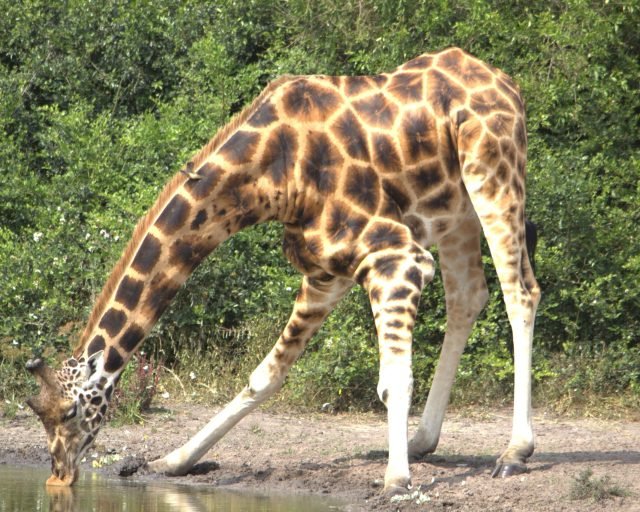
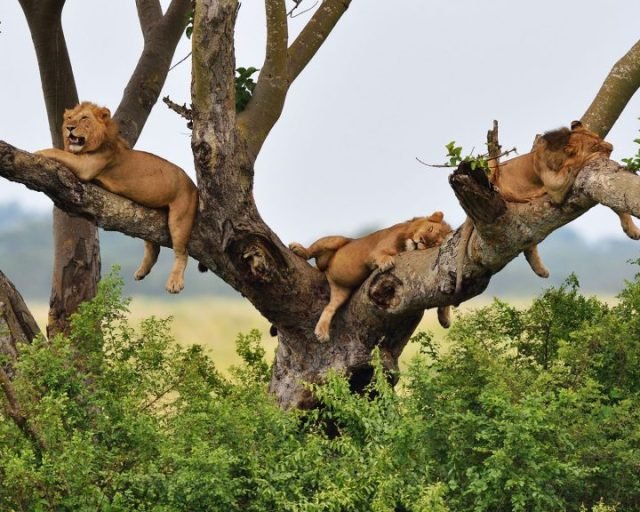
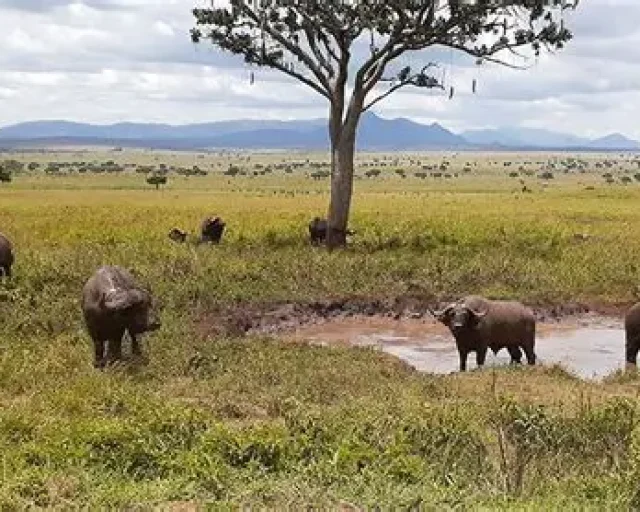
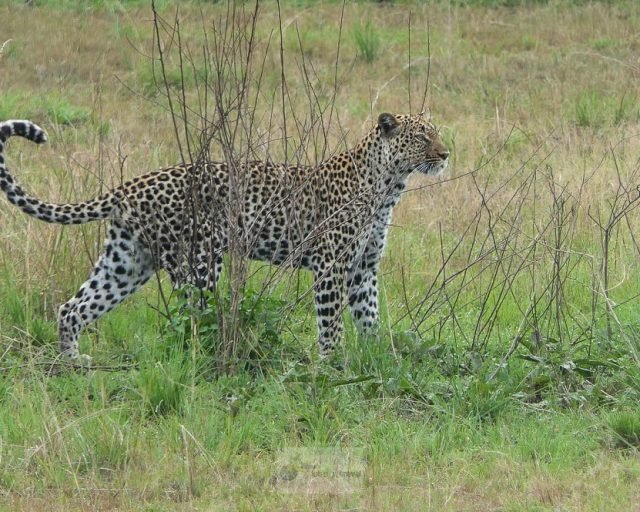
Tanzania is one of those destinations that seems to contain many different worlds. There are vast golden plains where thousands of wildebeest move across the horizon. There are elephants beneath ancient baobabs, lions resting in the shade and leopards hidden among the grass.
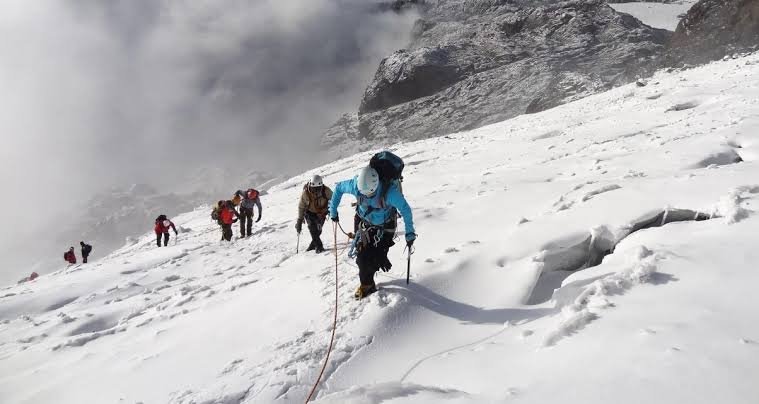
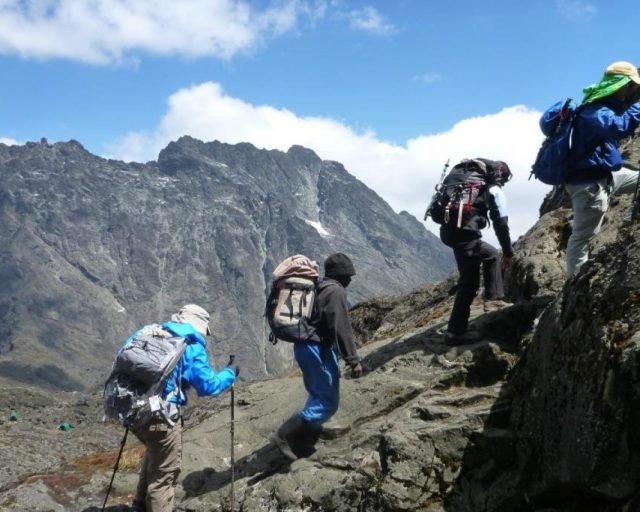
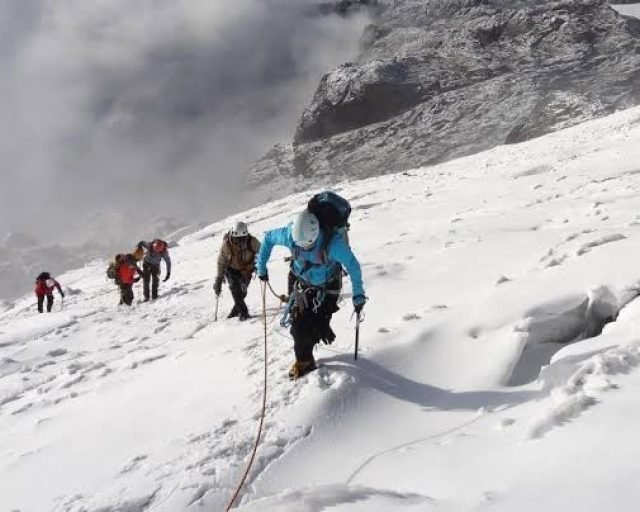
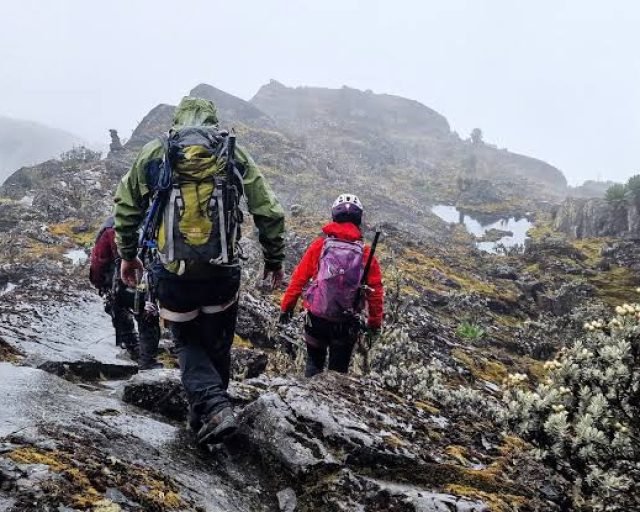
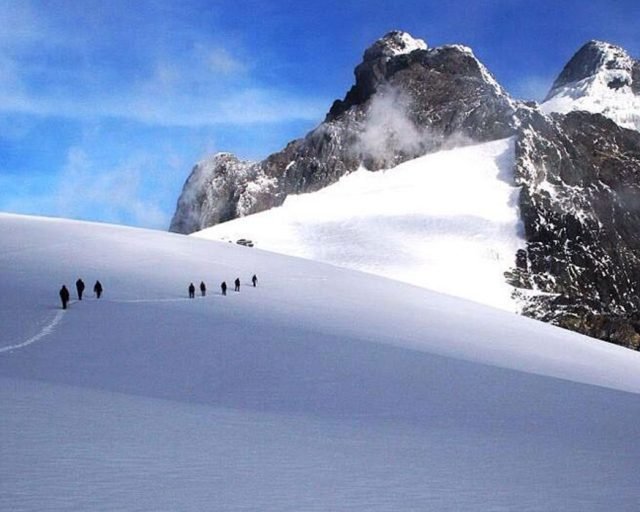
There are mountains too.
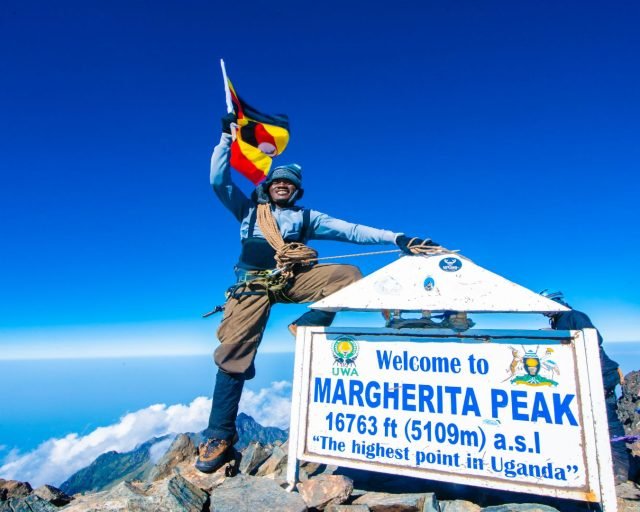
Above them all stands Mount Kilimanjaro, Africa’s highest mountain, rising to 5,895 metres above sea level.
And then the landscape changes again.
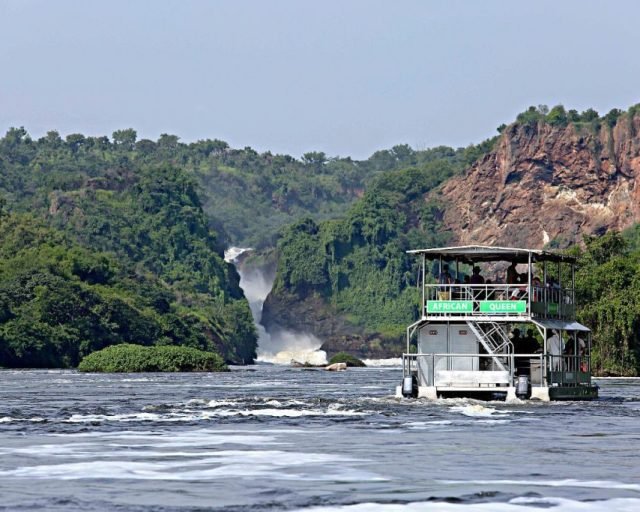
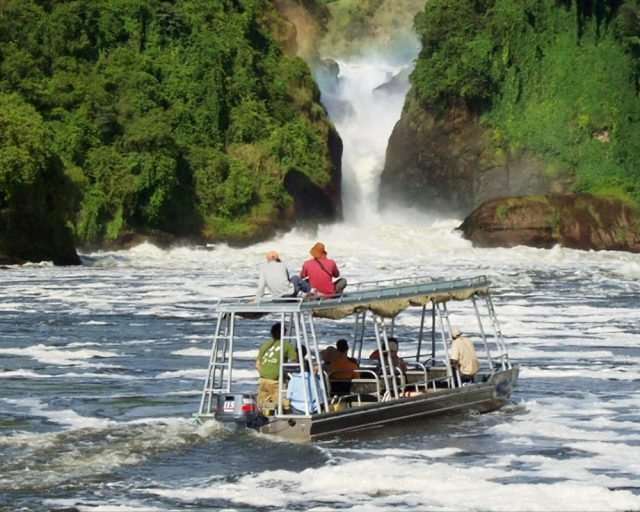
The Great Rift Valley cuts through the country. The Ngorongoro highlands rise above the surrounding plains. Rivers and lakes bring life to the wilderness. Further east, the land eventually meets the warm waters of the Indian Ocean, where Swahili culture, white beaches and historic island towns create an entirely different Tanzania.
But Tanzania is not only about landscapes and wildlife.
It is also about people.
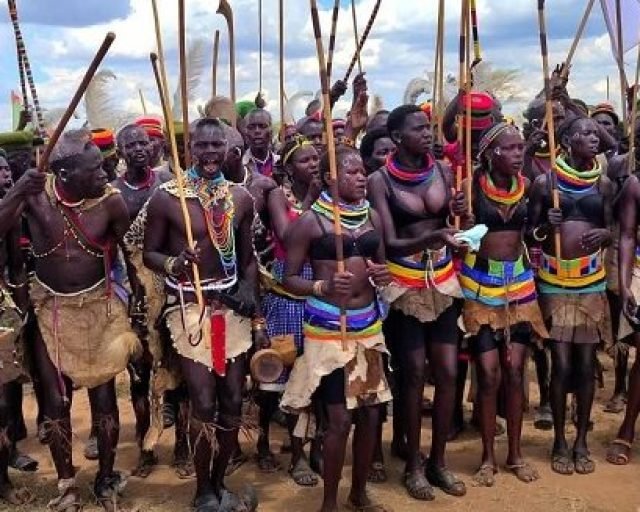
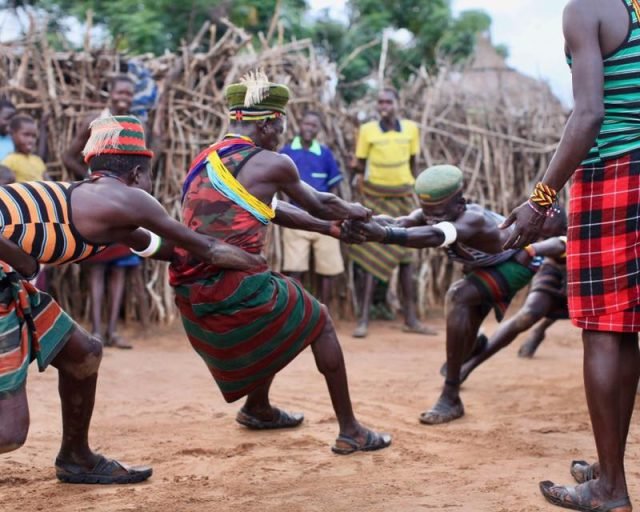
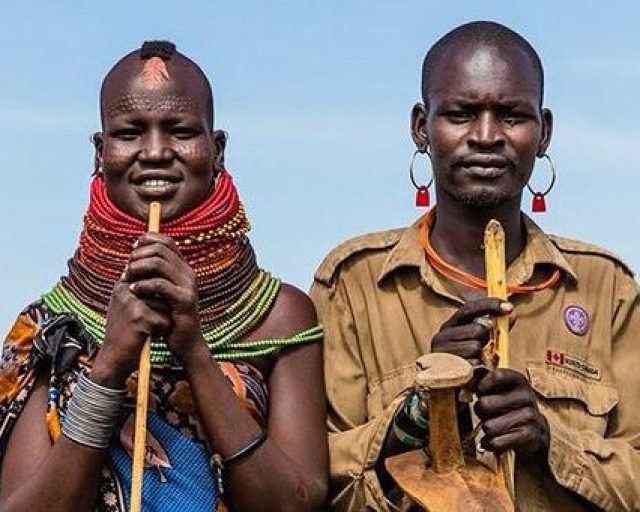
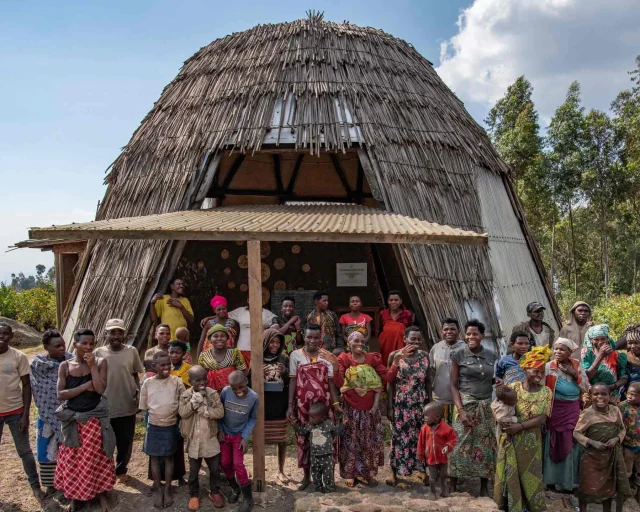
The Maasai, Chagga, Hadzabe, Datoga, Sukuma and many other communities have their own histories, traditions and ways of life.
For Wild Hunters Safari, this is an important part of the journey.
Come to Tanzania for the wild, but take time to discover the people and stories that give the country its soul.
Tanzania has an extraordinary concentration of experiences within one country.
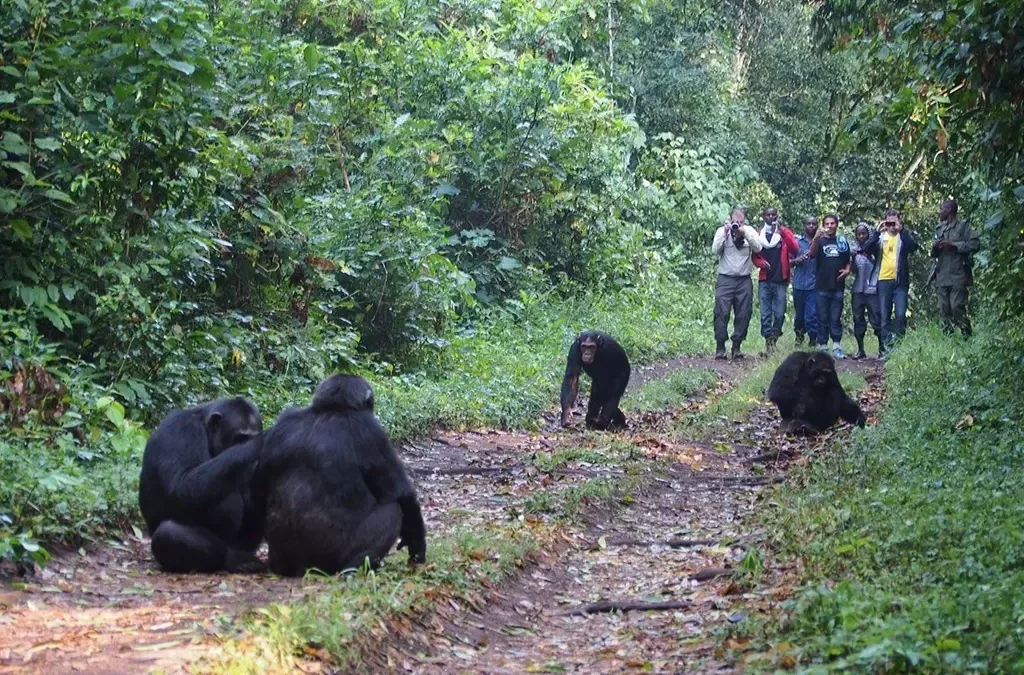
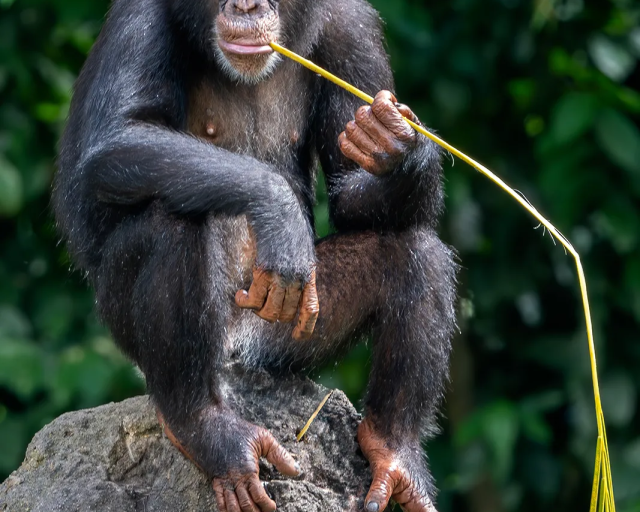
It is home to the Serengeti, one of Africa’s most famous wildlife landscapes and a major stage of the annual wildebeest migration. It has Ngorongoro Crater, a spectacular volcanic caldera filled with wildlife. It has Mount Kilimanjaro, Africa’s highest peak. It has the vast wildernesses of Nyerere and Ruaha, chimpanzee forests beside Lake Tanganyika, and the tropical islands of Zanzibar and Pemba.
The country also has an impressive commitment to protected landscapes. Tanzania’s national parks and other protected areas cover a substantial portion of the country, protecting ecosystems that support wildlife and communities.
But what makes Tanzania especially memorable is the way these experiences can be connected.
Few journeys offer such a dramatic change of scenery without leaving the country.
Tanzania’s landscapes may be famous around the world, but its cultural diversity is just as fascinating. The country is home to more than 120 ethnic groups, with communities developing different traditions, languages, livelihoods and cultural practices across the country’s varied environments.
The Maasai are perhaps the best known internationally, particularly around northern Tanzania’s safari areas. But Tanzania’s cultural story extends far beyond the Maasai.
The Chagga people live around Mount Kilimanjaro, where agriculture has developed on the fertile mountain slopes.
The Sukuma, one of Tanzania’s largest ethnic groups, are mainly found around the Lake Victoria region.
The Hadzabe of northern Tanzania are known for their traditional hunter-gatherer way of life.
The Datoga are traditionally pastoralists and skilled metalworkers.
Along the coast and islands, Swahili culture has developed through centuries of interaction across the Indian Ocean, creating a distinctive blend of African, Arab, Persian and Indian influences.
For Wild Hunters Safari, these cultures are not an optional extra. They are part of the destination.
To travel through Tanzania is to travel through many different stories.
Tanzania has an impressive collection of national parks and protected areas.
For the main destination page, however, I recommend highlighting the destinations most relevant to international safari travellers rather than trying to list every park. Each has a different landscape and personality.