Rwanda – The Land of a Thousand Hills
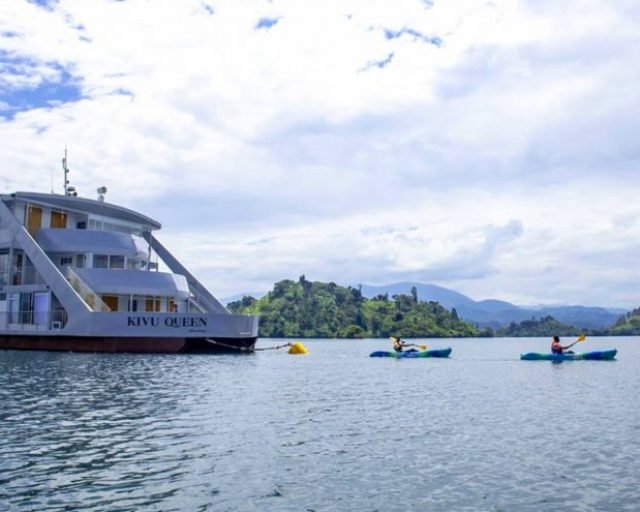
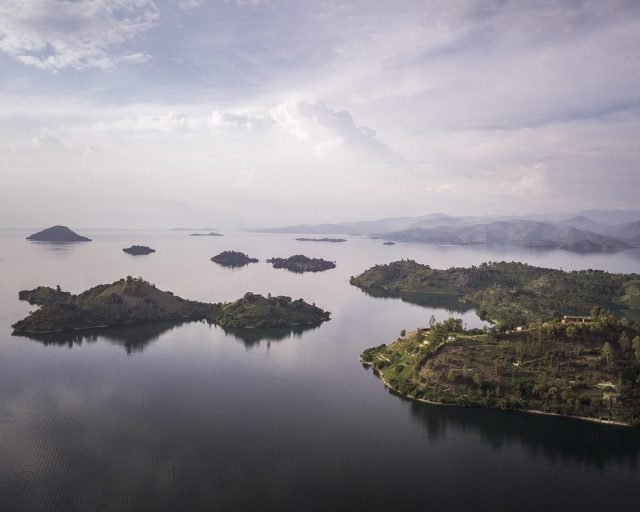
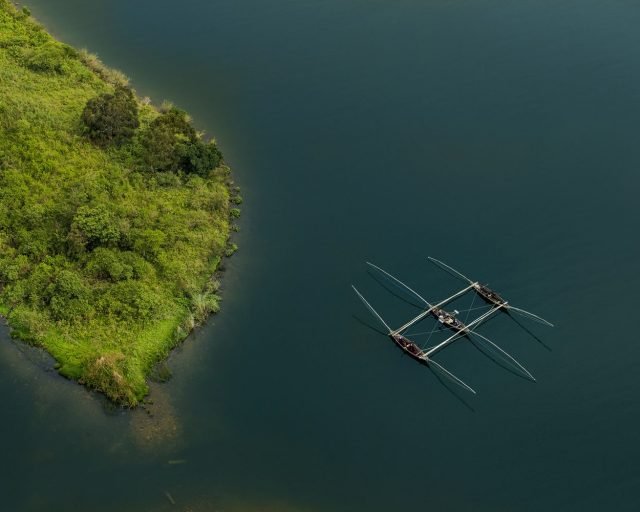
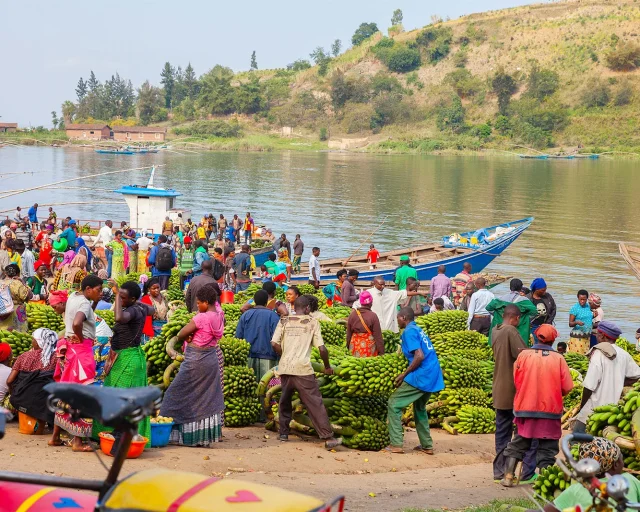
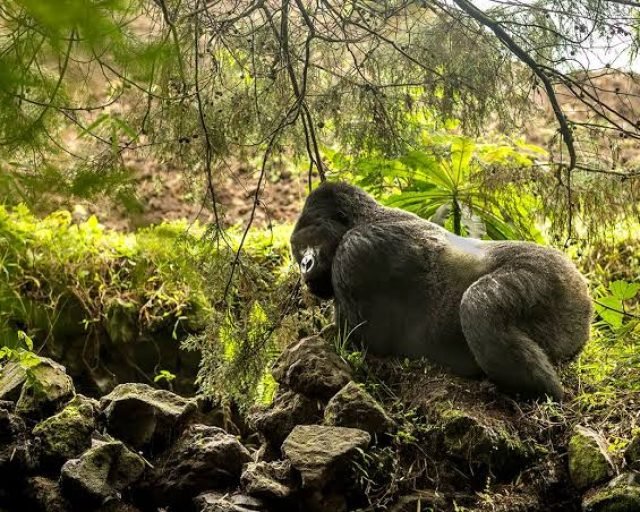
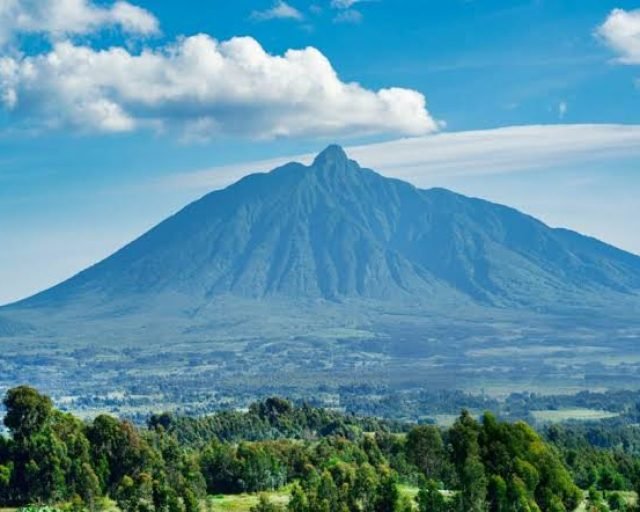
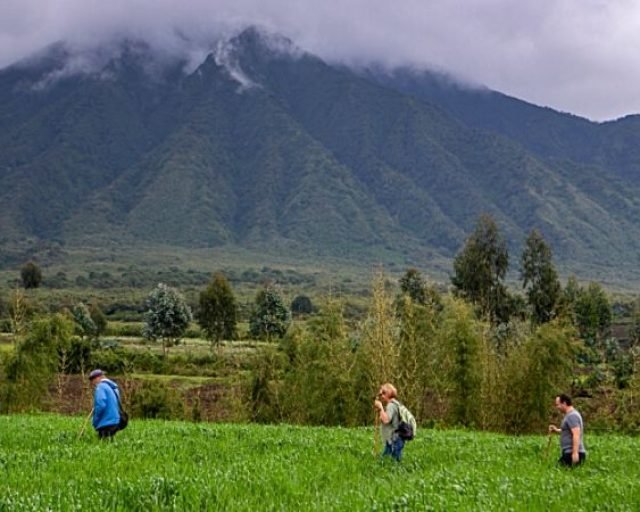
Where misty volcanoes, ancient forests, golden savannahs and warm Rwandan hospitality come together.
Rwanda is a small country with a remarkable amount to discover. Known as the Land of a Thousand Hills, it is a destination of dramatic landscapes, rich culture and unforgettable wildlife experiences.
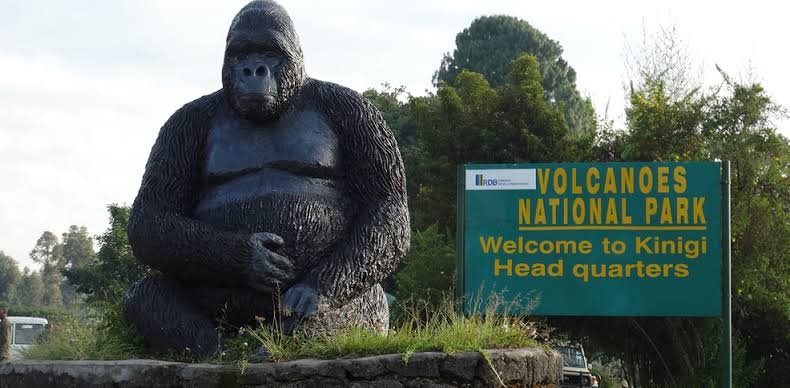
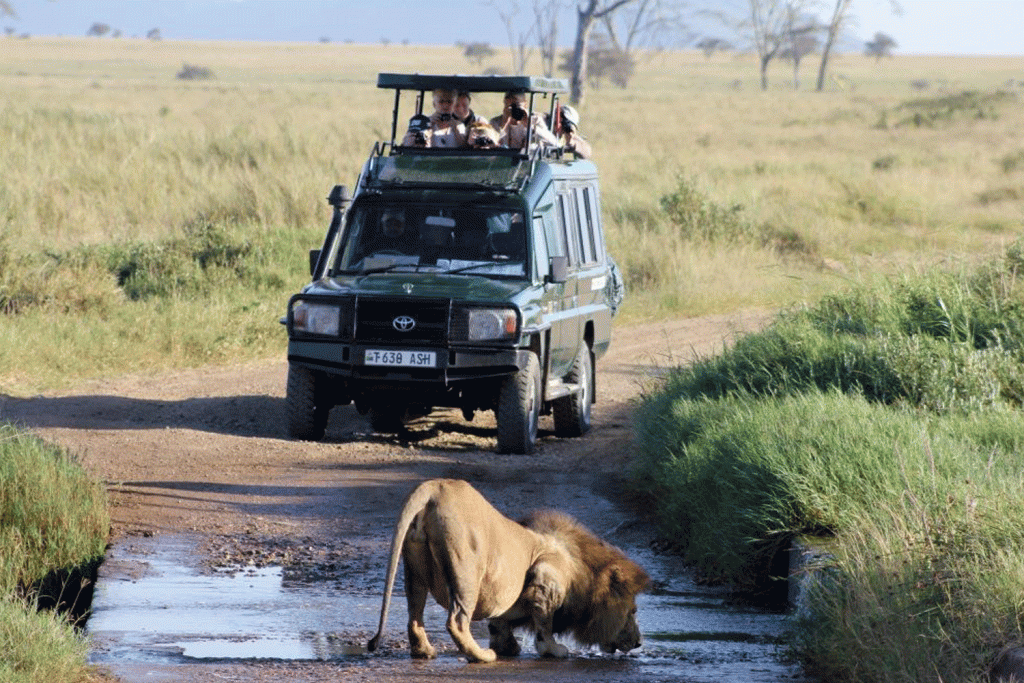
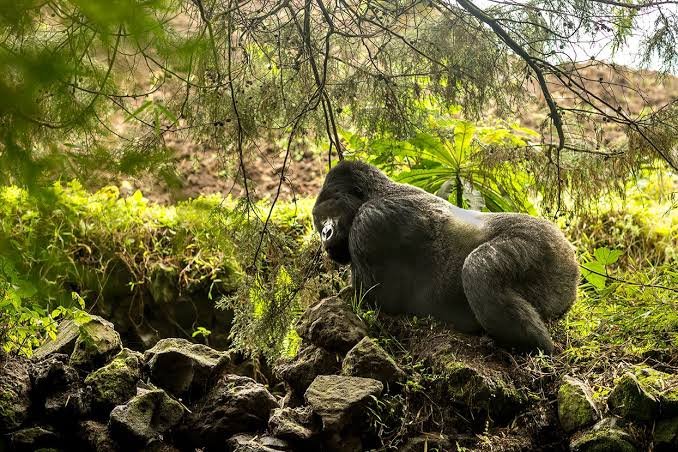
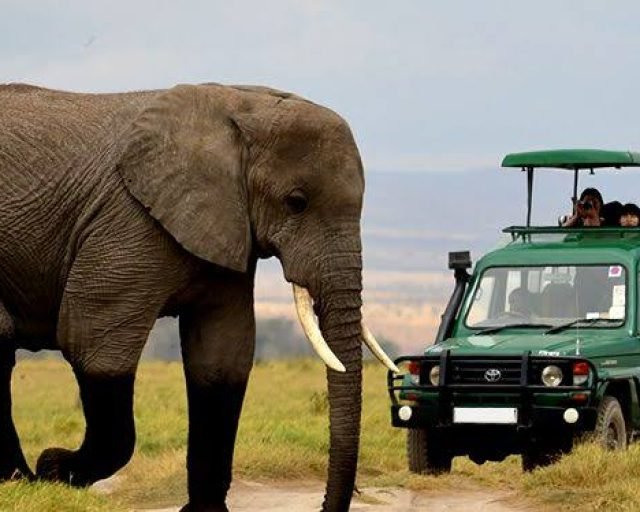
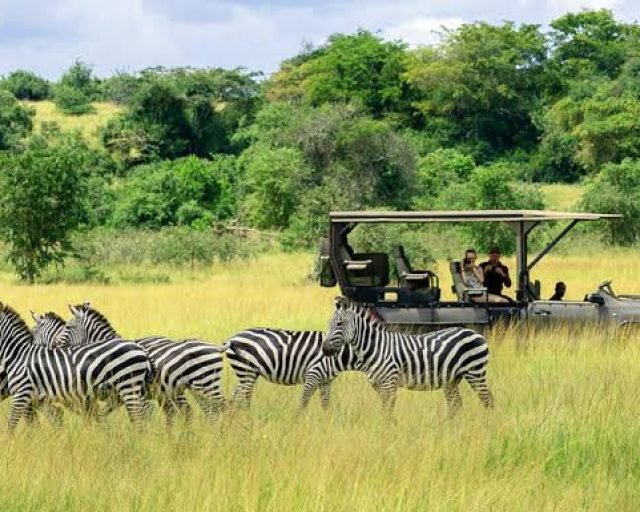
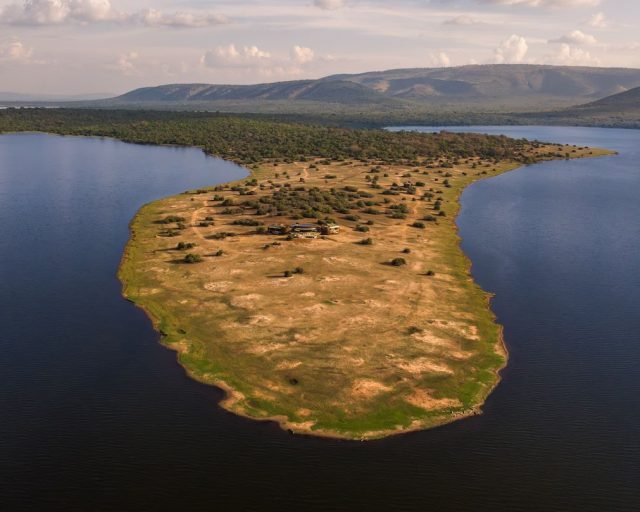
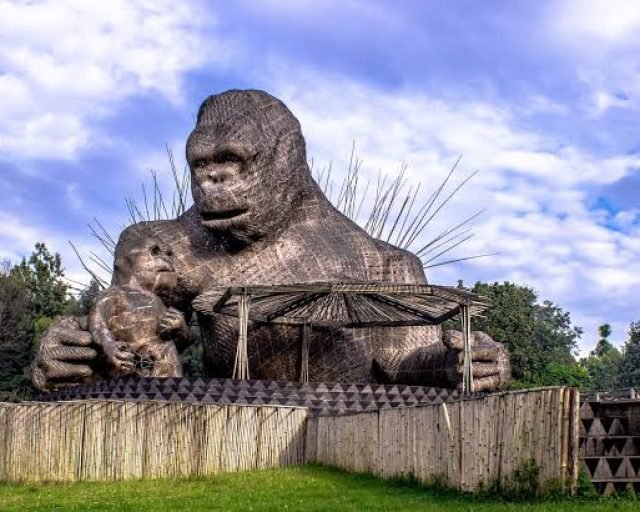
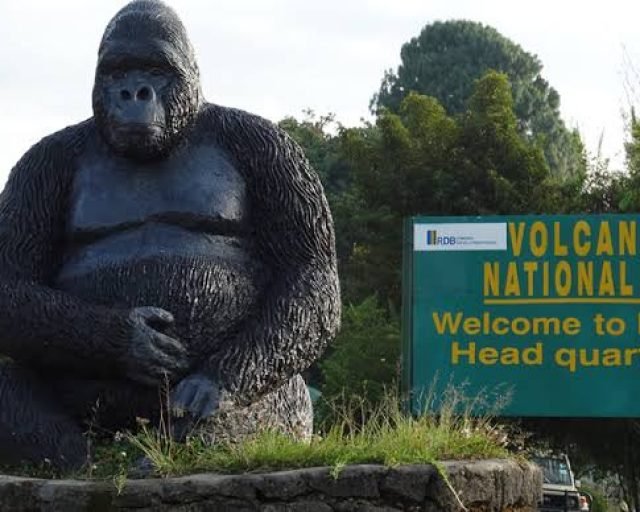
From walking through the misty forests of Volcanoes National Park in search of mountain gorillas to watching elephants cross the savannahs of Akagera, Rwanda offers experiences that feel both wild and deeply personal.
But Rwanda is much more than gorillas and national parks.
It is a country of welcoming communities, traditional dance, beautiful crafts, coffee and tea farms, peaceful lakeside towns and winding roads that reveal a new landscape around almost every corner.
For Wild Hunters Safari, Rwanda is especially interesting because the country’s beauty is not only found in its wildlife. It is found in the people, stories, traditions and everyday life that give each journey its character.
Come for the gorillas. Stay for the hills, the culture, the people and the stories.
What Makes Rwanda Special?
Rwanda may be one of Africa’s smaller countries, but its landscapes change quickly.
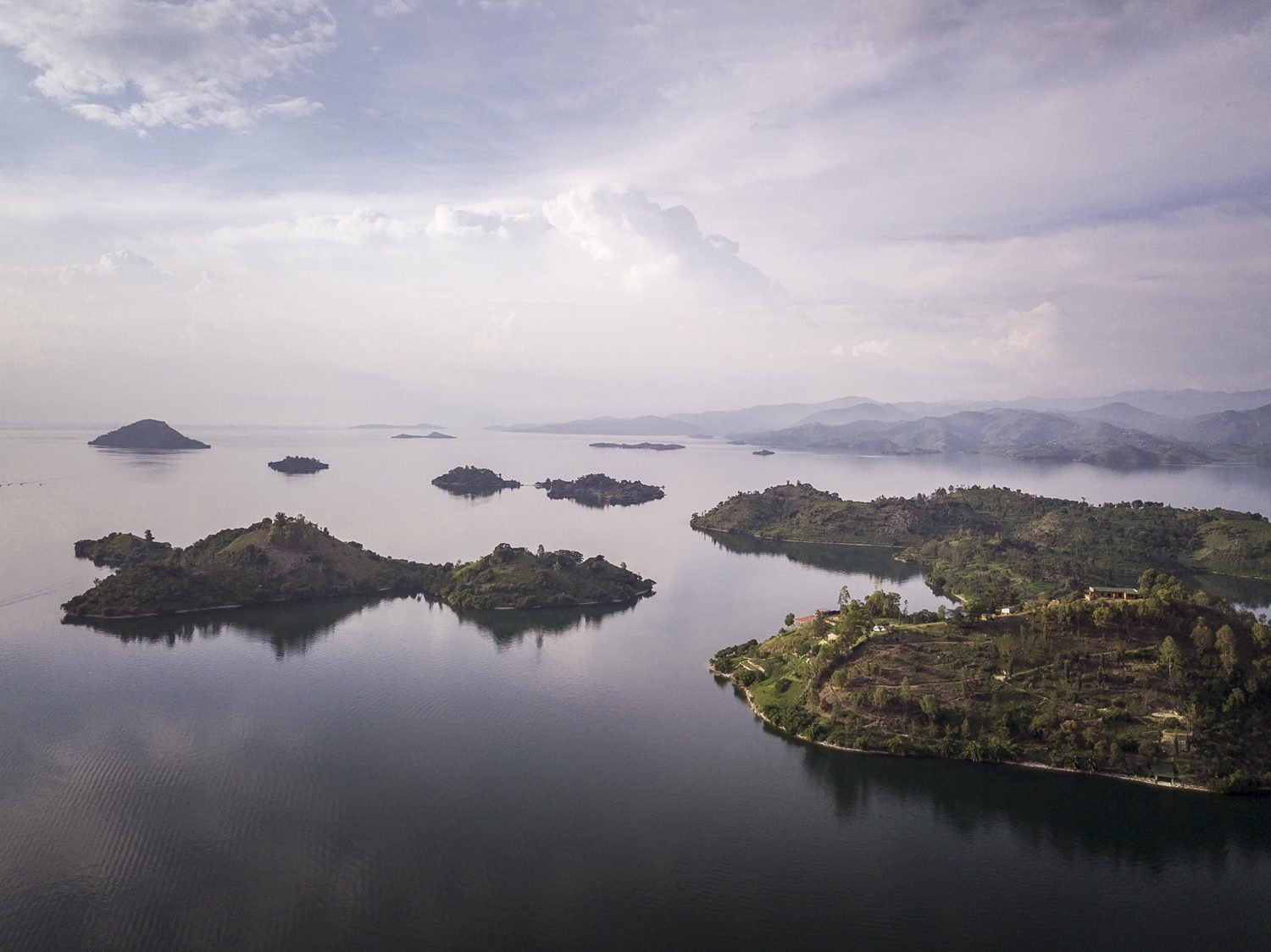
You can leave Kigali in the morning and, within a few hours, find yourself surrounded by volcanic mountains, rainforest, tea plantations, lakes or open savannah.
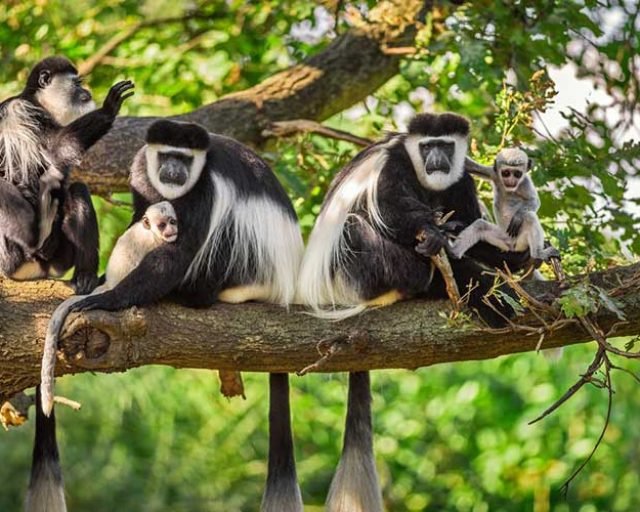
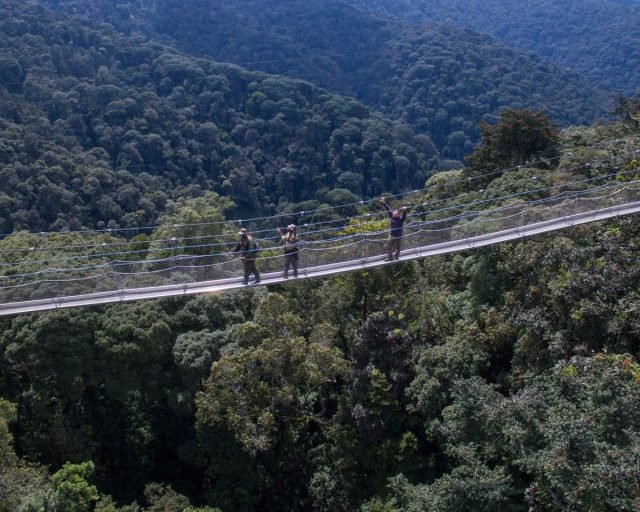
Its relatively compact size also makes it possible to combine several experiences in one journey. Rwanda’s tourism destinations include Volcanoes National Park, Nyungwe National Park, Akagera National Park, Gishwati-Mukura National Park, Lake Kivu and Kigali.
What makes Rwanda particularly special is the contrast.
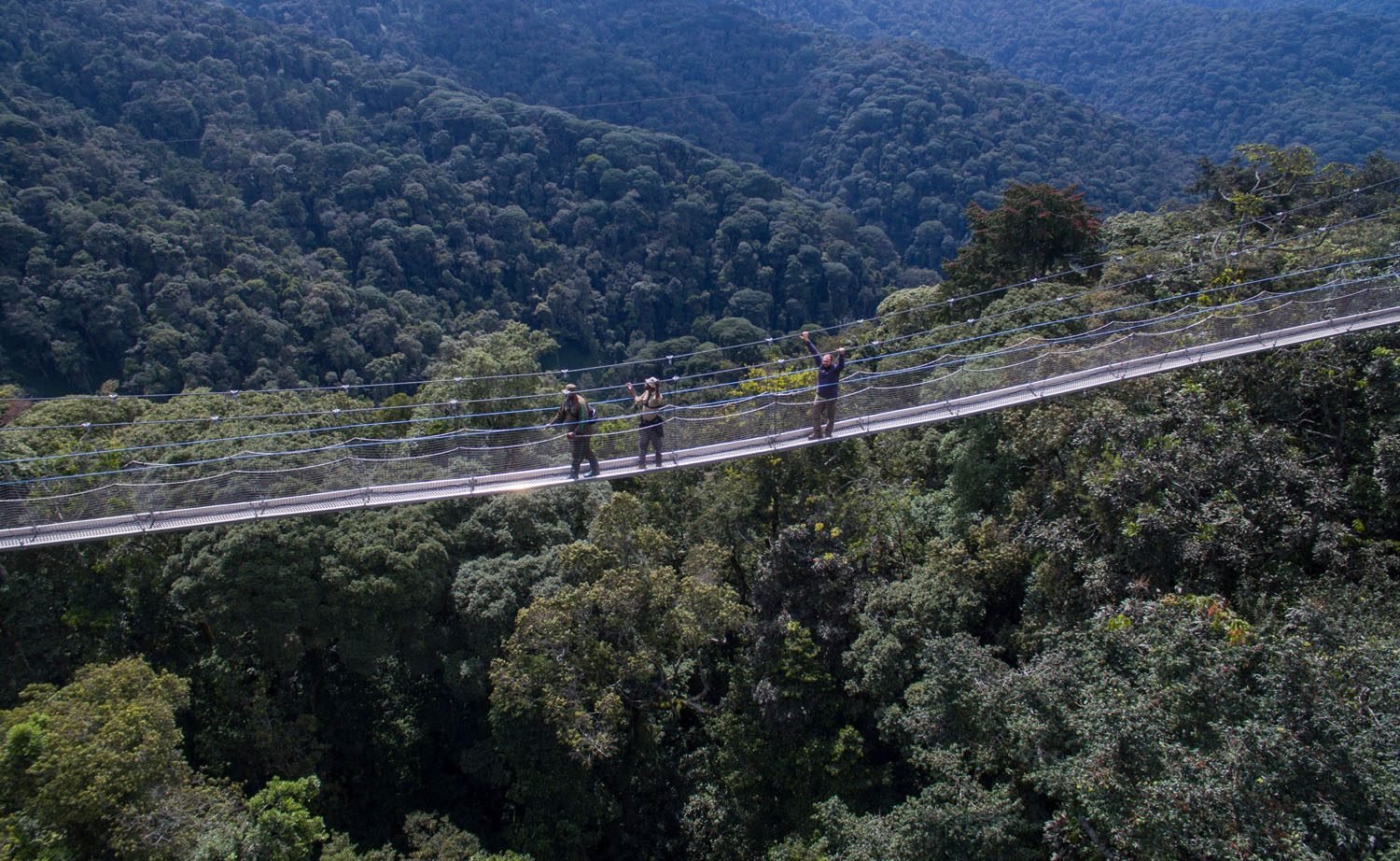
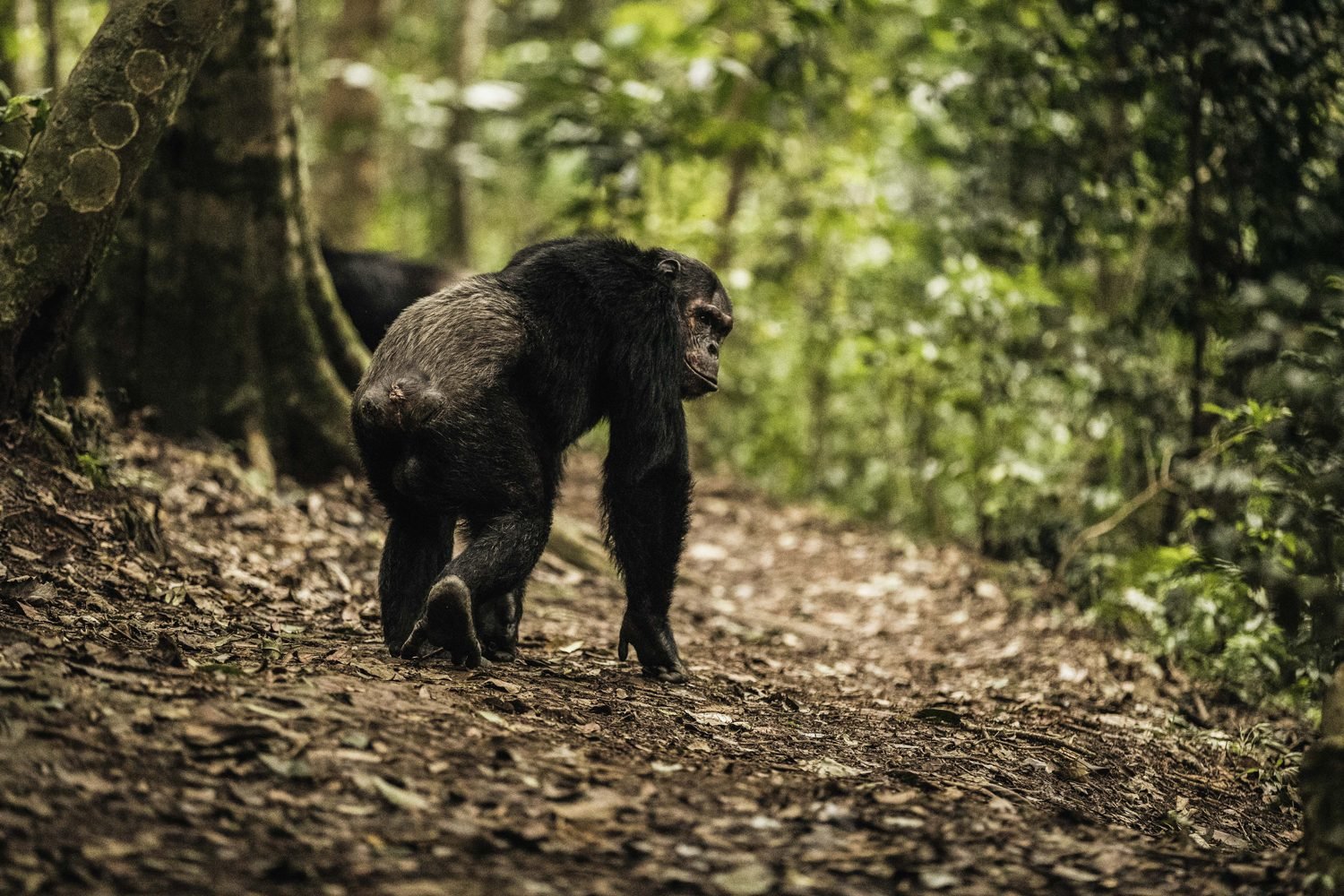
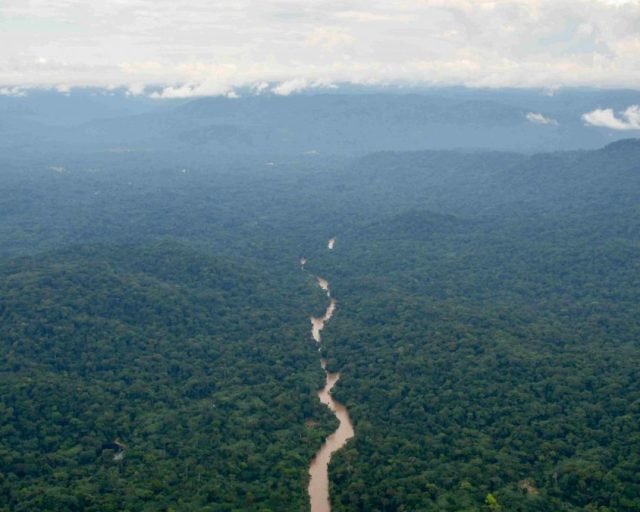
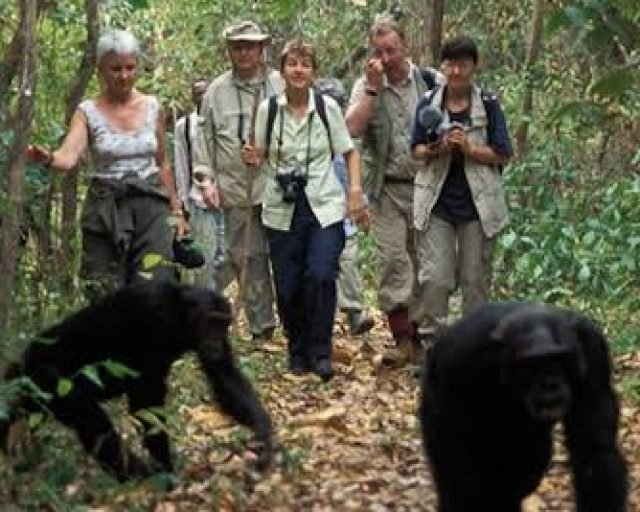
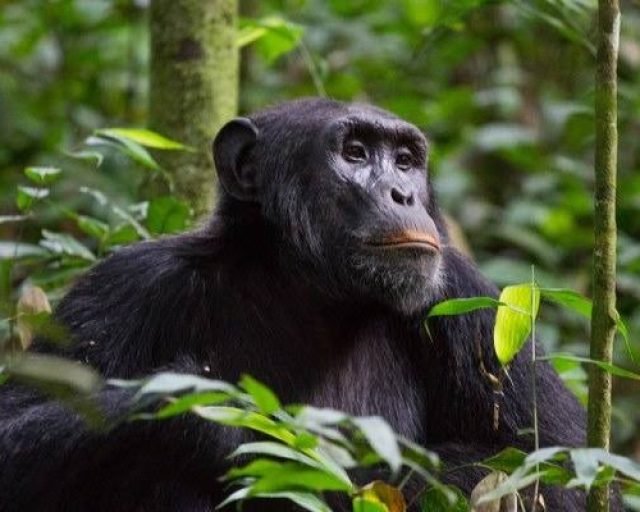
One day you can be following chimpanzees through an ancient rainforest. The next, you may be watching hippos from a boat in Akagera. Another day might take you into a village to learn about traditional crafts, taste locally grown coffee or meet people whose families have lived among these hills for generations.
Rwanda is a destination where wildlife and culture naturally belong in the same journey.
When Is the Best Time to Visit Rwanda?
Rwanda can be visited throughout the year, although different seasons offer different experiences.
The country has two main rainy seasons, generally from mid-February to May and mid-September to mid-December, while the main drier period runs from June to mid-September. Conditions also vary between regions because of Rwanda’s elevation and mountainous terrain.
Rather than simply asking when Rwanda is “best”, we prefer to ask:
What do you want your Rwanda journey to feel like?
| TRAVEL PERIOD | SEASON | MAIN HIGHLIGHTS | BEST FOR |
| January–mid-February | Short dry period | Generally good travel conditions, green landscapes and good opportunities for wildlife and primate experiences. | Gorilla trekking, safari, photography, hiking |
| Mid-February–May | Long rains | Lush forests, fresh green hills, beautiful scenery and excellent birdlife. Some trails can be wetter and more challenging. | Birdwatching, photography, green landscapes, quieter travel |
| June–mid-September | Long dry season | Drier conditions, clearer skies and generally easier roads and trails. One of the most popular periods for travel. | Gorilla trekking, safari, hiking, wildlife, cultural tours |
| Mid-September–mid-December | Short rains | Fresh green landscapes, renewed vegetation and fewer visitors in some areas. Rain often comes in periods rather than continuously. | Photography, birdwatching, primates, green scenery |
Rwanda’s dry season is particularly convenient for hiking and trekking because paths and roads tend to be easier to navigate. However, the rainy seasons can be beautiful and rewarding, especially for travellers interested in photography, birds and lush landscapes.
The People and Cultures of Rwanda
For us at Wild Hunters Safari, this is one of the most important parts of discovering Rwanda.
Rwanda’s culture has been shaped by its long history, traditional kingdom, agriculture, music, dance, craftsmanship and strong sense of community. A journey through Rwanda should therefore not only take you into the forests and national parks. It should also introduce you to the people who make the country what it is.
Intore – Rwanda's Traditional Dance
One of the most recognisable cultural experiences in Rwanda is Intore dancing.
The dancers perform energetic movements and dramatic jumps while wearing traditional grass wigs and carrying spears. The tradition has roots in performances for the royal court and remains an important expression of Rwandan heritage.
Watching a performance is more than entertainment. It is a chance to experience Rwanda through rhythm, movement and storytelling.
Traditional Crafts
Rwanda has a strong tradition of basketry, weaving and pottery.
Beautiful handmade baskets and other crafts can be found in markets and community cooperatives across the country. These crafts are not simply souvenirs; they represent skills and traditions passed between generations.
Another distinctly Rwandan art form is Imigongo, geometric artwork traditionally made using cow dung mixed with natural pigments. The result is a striking style of art with earthy colours and bold patterns.
Umuganda – A Culture of Community
One of Rwanda’s most distinctive community traditions is Umuganda, a monthly community work programme in which people come together to work on projects that benefit their neighbourhoods and communities.
Activities can include cleaning public spaces, planting trees, building houses and other community projects.
For travellers, it offers an interesting window into Rwanda’s strong culture of community participation and shared responsibility.
Royal Heritage
Rwanda’s history also lives on through places such as the King’s Palace Museum in Nyanza.
The reconstructed royal residence provides an opportunity to learn about Rwanda’s former monarchy and traditional life. The site also has long-horned Inyambo cattle descended from the royal herd, whose keepers maintain traditional practices associated with them.
The Ethnographic Museum in Huye provides another opportunity to explore Rwanda’s history, traditions, crafts and material culture.
For travellers interested in understanding the country beyond wildlife, these experiences can add real depth to a Rwanda safari.
Rwanda's National Parks and Wildlife Destinations
Rwanda has four national parks, each offering a different side of the country.