From endless savannahs and great herds to ancient cultures, snow-capped mountains and the warm waters of the Indian Ocean, Kenya is Africa in extraordinary variety.
Kenya is one of Africa’s most iconic travel destinations.
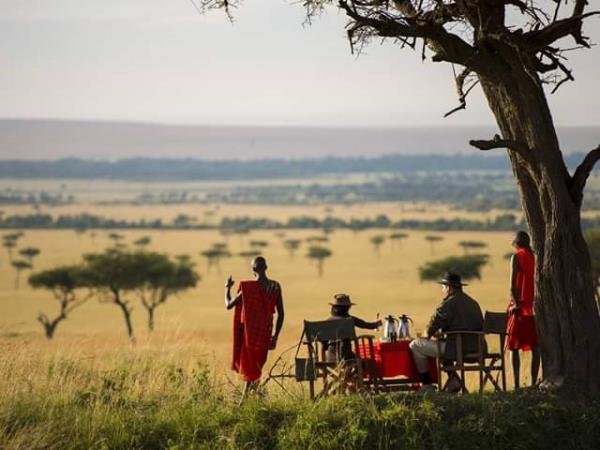
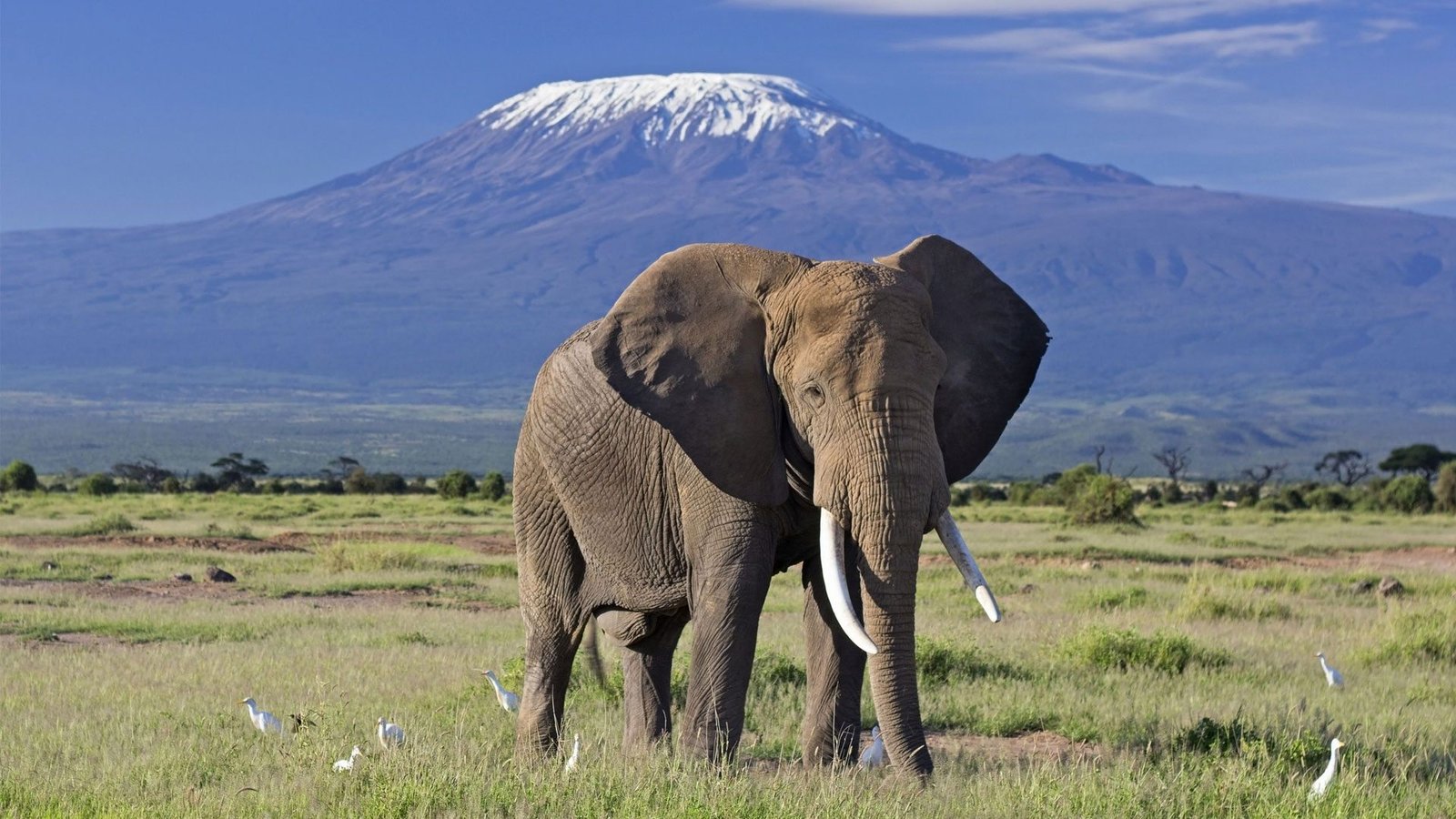
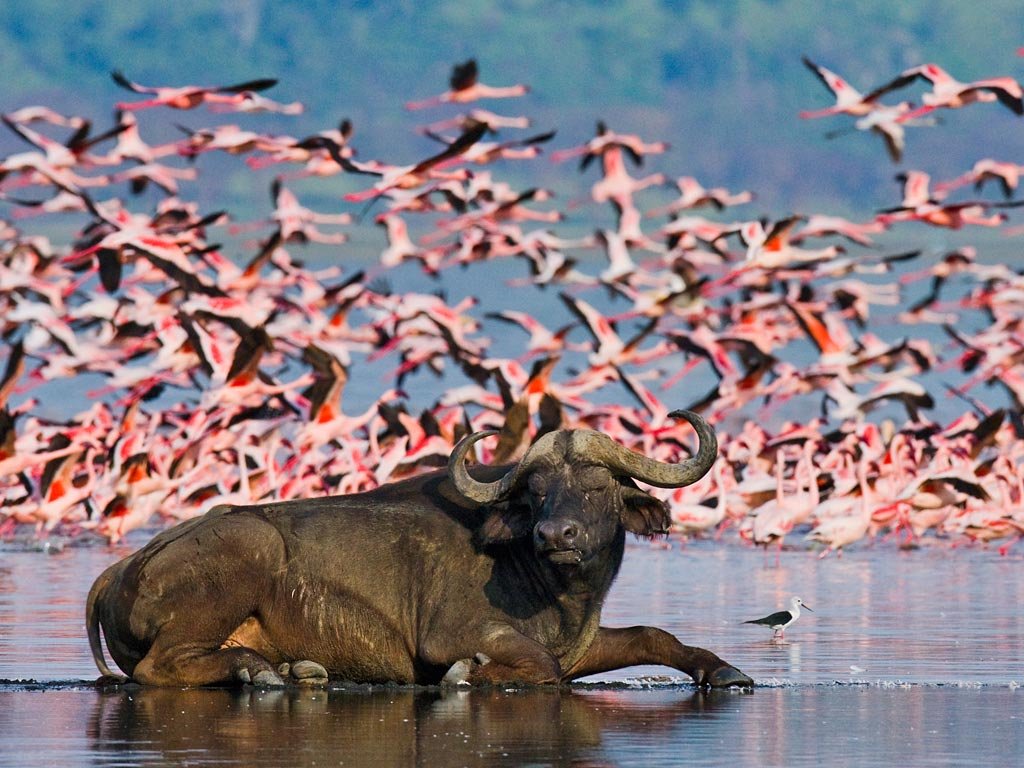
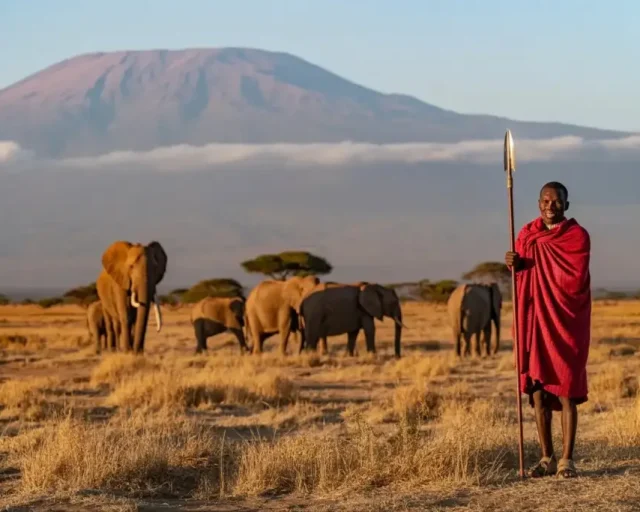
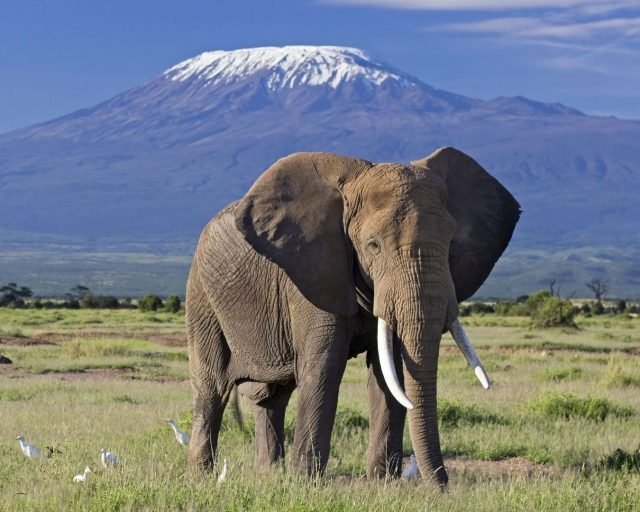
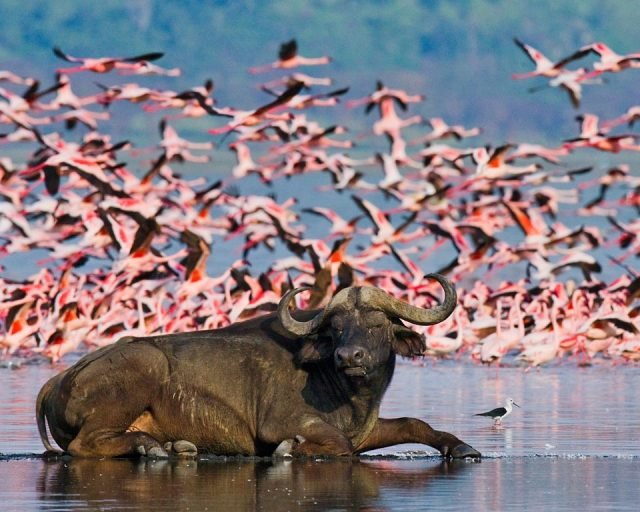
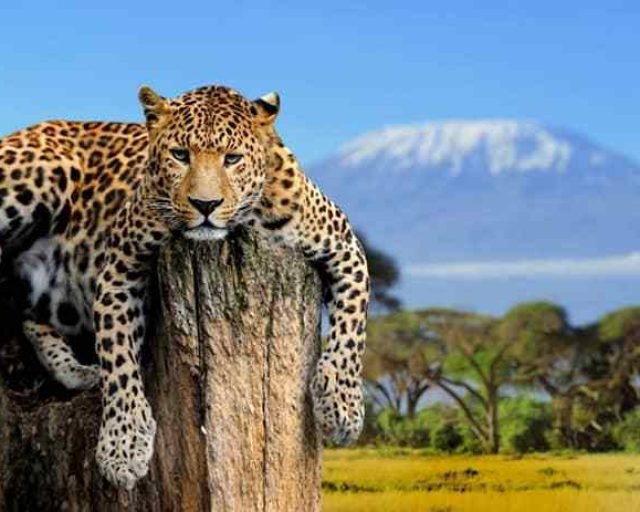
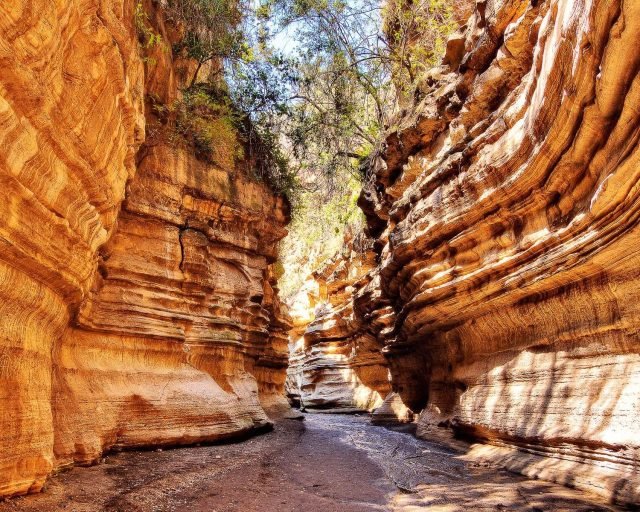
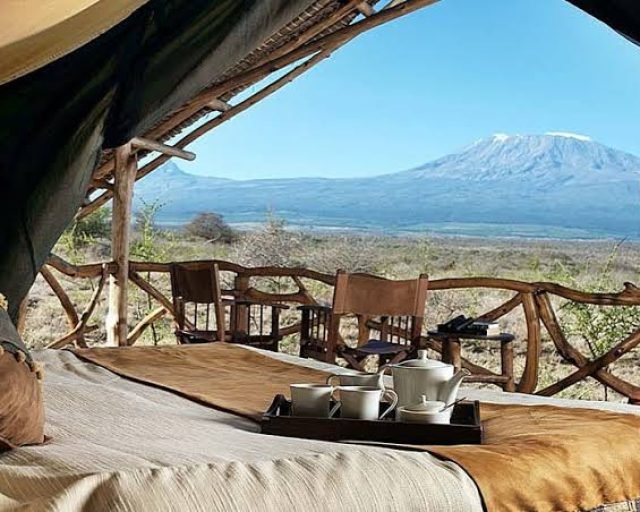
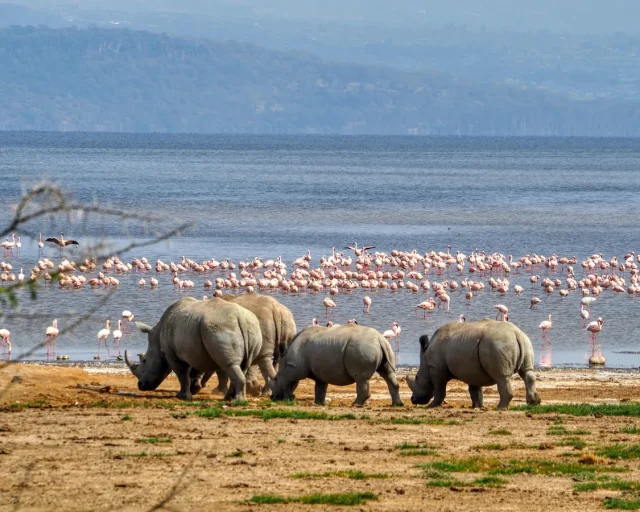
It is a country where the landscape seems to change every few hours. Wide golden savannahs stretch towards distant mountains. Elephants move beneath the shadow of Mount Kilimanjaro. Flamingos gather around Rift Valley lakes. Ancient forests cover mountain slopes, while the Indian Ocean meets white sandy beaches along the coast.
And then there is the wildlife.
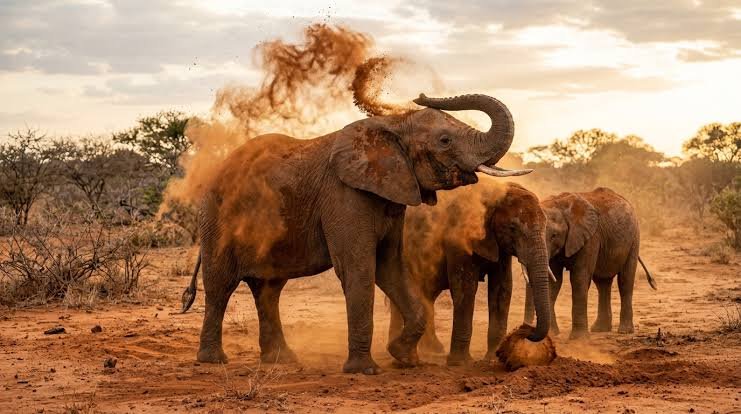
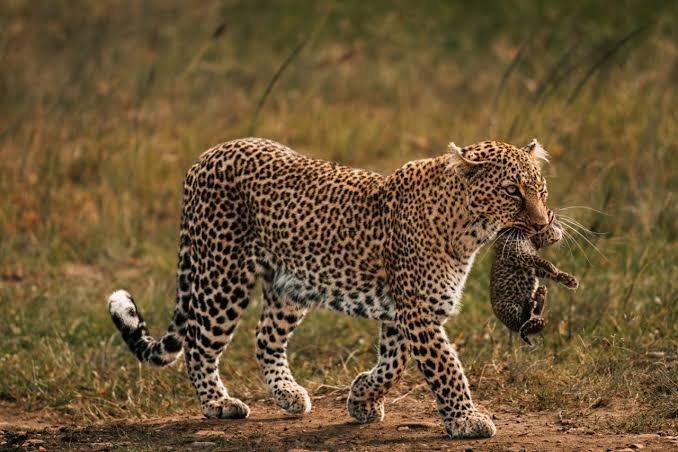
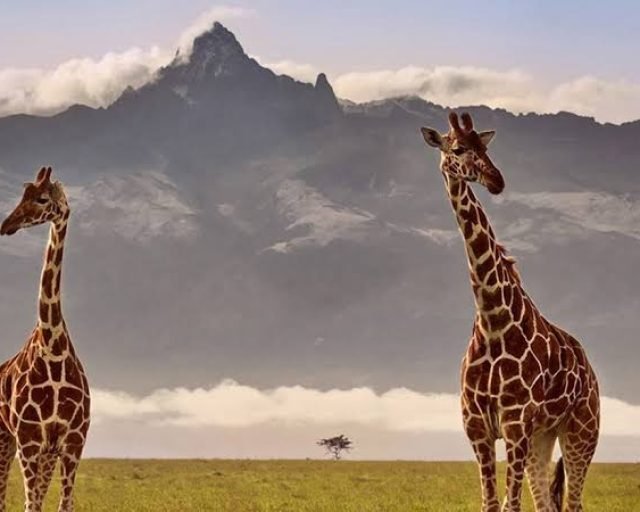
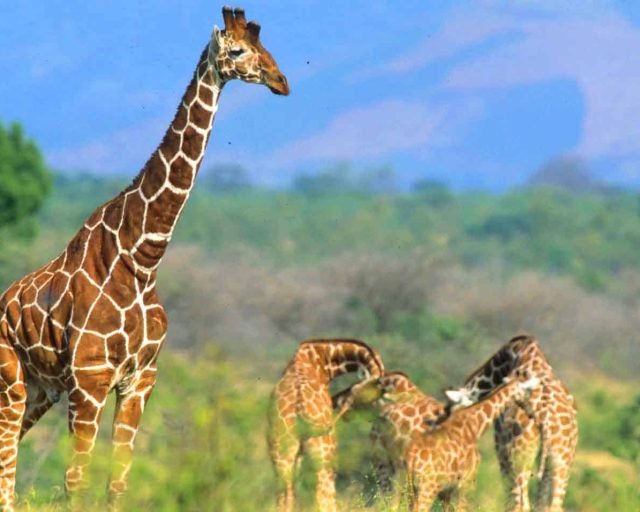
Lions resting beneath acacia trees. Giraffes moving gracefully across the plains. Rhinos grazing in protected sanctuaries. Cheetahs scanning the open grasslands. Elephants gathering around water.
Kenya has become famous for these encounters, but there is much more to discover. The country is home to diverse communities, languages, traditions and histories. The Maasai, Samburu, Kikuyu, Swahili, Turkana, Kamba, Luo, Luhya and many other communities each contribute to the rich cultural character of the country.
For Wild Hunters Safari, this is an important part of what makes Kenya special.
A destination is not only about the places you see. It is also about the people who call those places home.
Kenya’s greatest attraction may be its variety.
Few destinations can combine a classic African safari, dramatic mountains, ancient cultures, the Great Rift Valley and an Indian Ocean beach holiday in one country.
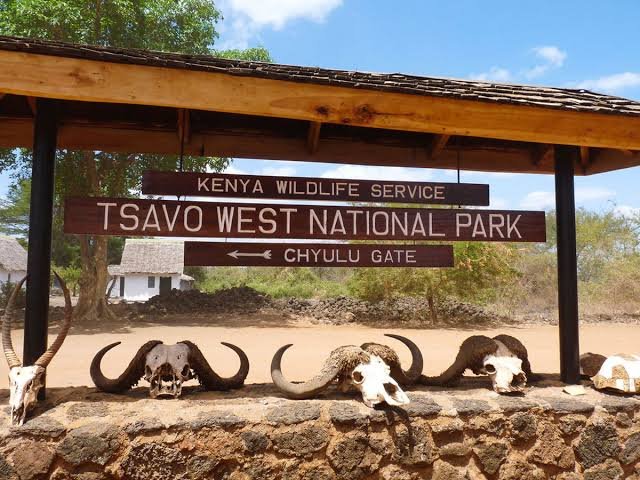
The famous Masai Mara is known for its extraordinary wildlife and the annual movement of wildebeest across the Mara-Serengeti ecosystem. Amboseli offers enormous elephant herds with Mount Kilimanjaro rising in the distance. Tsavo brings vast, rugged wilderness, while Lake Nakuru combines rhinos, birds and beautiful Rift Valley scenery.
Kenya also offers experiences beyond traditional game drives.
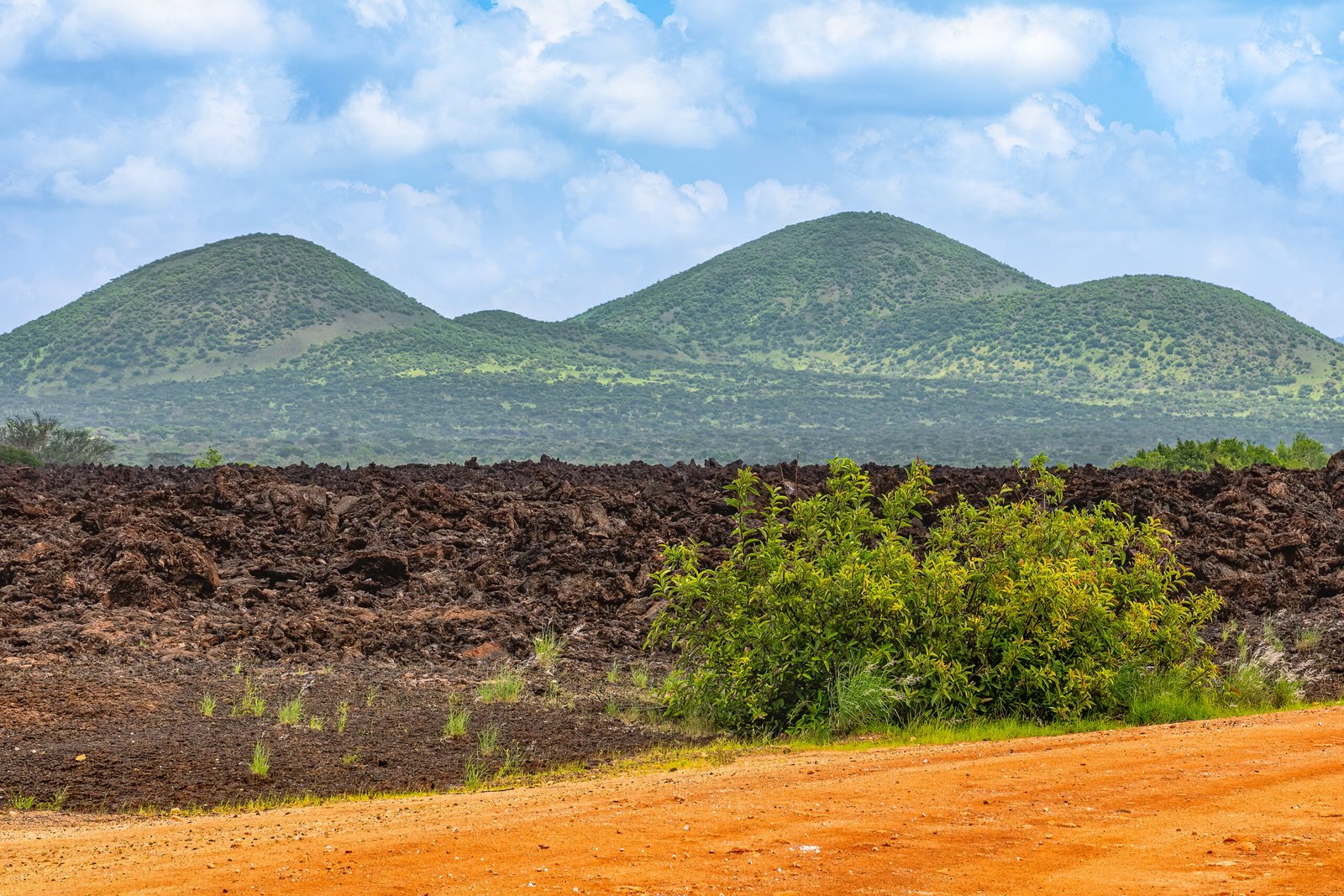
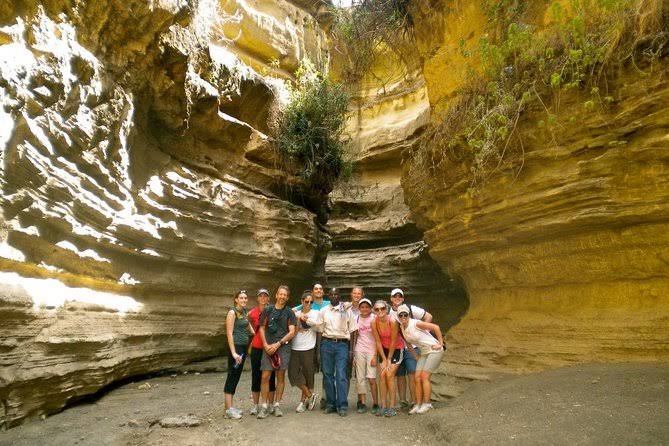
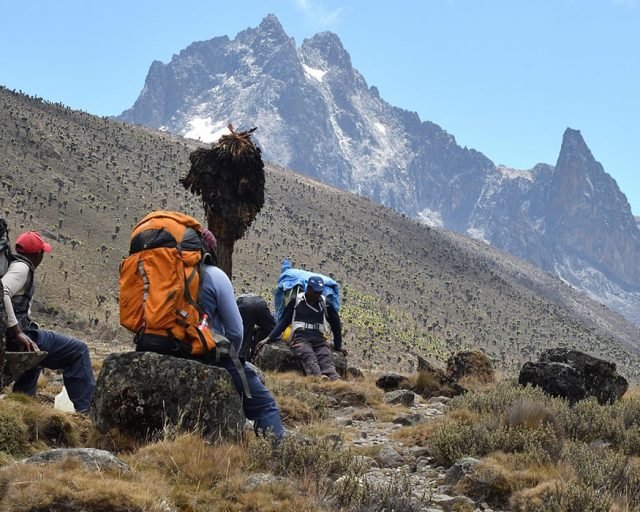
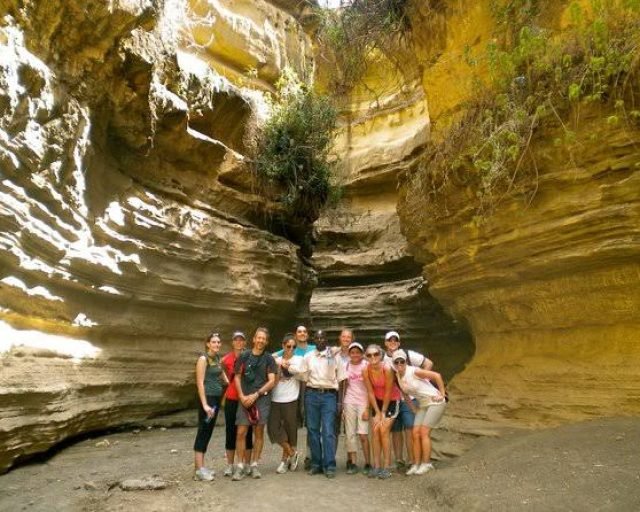
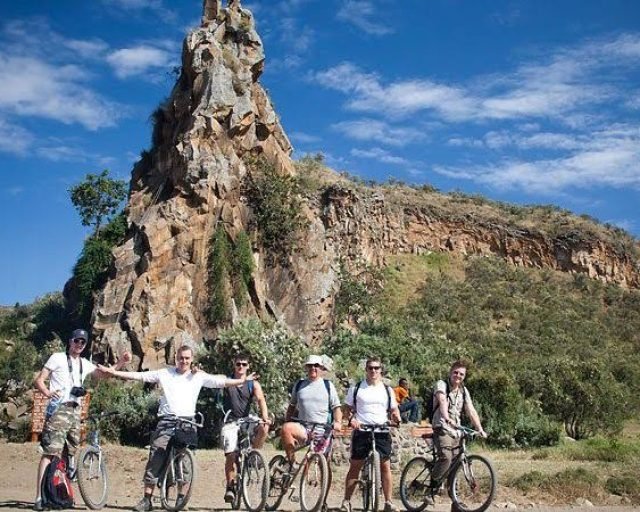
You can walk through forests, Climb Mountains, cycle through volcanic landscapes, meet local communities, explore the coast, sail traditional waters, enjoy cultural experiences and spend time in small communities away from the main tourist routes.
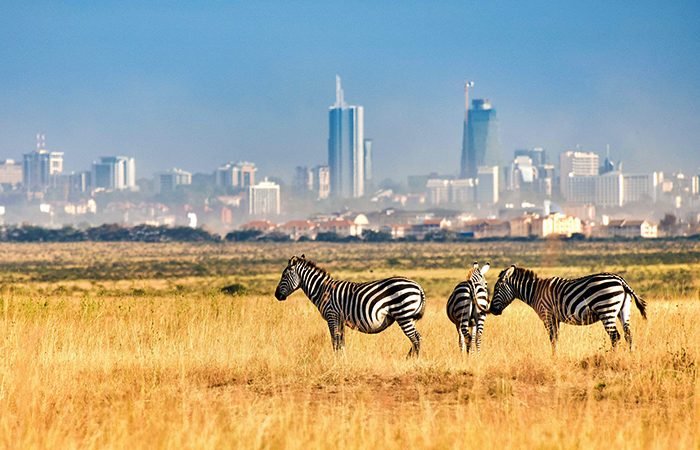
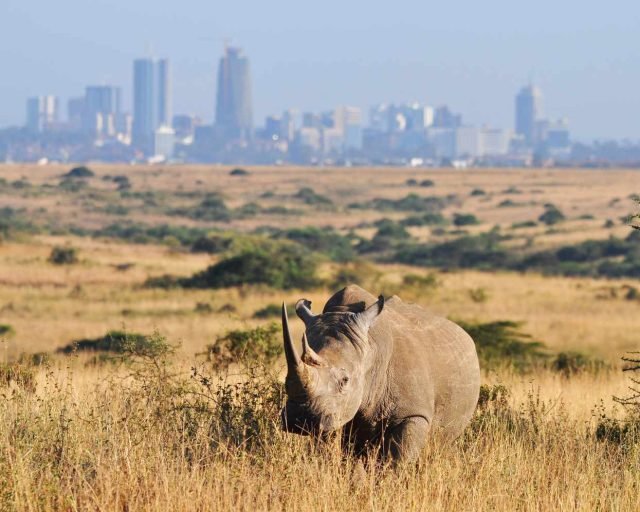
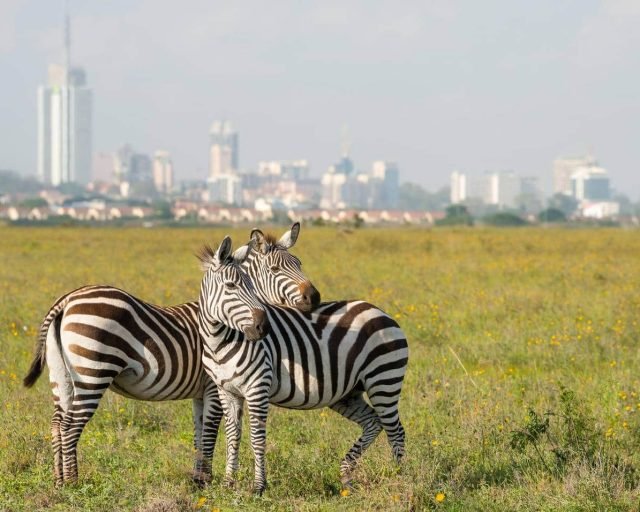
Its capital, Nairobi, even has a national park on the edge of the city—one of the world’s most unusual combinations of urban life and wilderness.
This diversity allows travellers to create very different kinds of Kenyan journeys. You can come for the wildlife, you can come for the culture, you can come for the landscapes, or you can combine them all.
Kenya can be visited throughout much of the year, but the best time depends on what you want to experience.
The country’s safari seasons are often described around its dry and wet periods. The June to October period is generally popular for wildlife viewing because vegetation is often less dense and animals can be easier to locate around water sources.
The period from January to February also offers generally dry conditions in many areas. The wetter months bring a different side of Kenya. The landscapes become greener, the air feels fresh and the scenery can be particularly beautiful. For photographers, birdwatchers and travellers who enjoy seeing nature at its most vibrant, these months can be rewarding.
Travel Period | Season | Main Highlights | Best For |
January–February | Dry interlude | Generally dry conditions in many areas, making wildlife viewing easier and allowing travellers to combine safari with cultural visits, hiking or a beach stay. | Wildlife, cultural experiences, hiking, beach holidays |
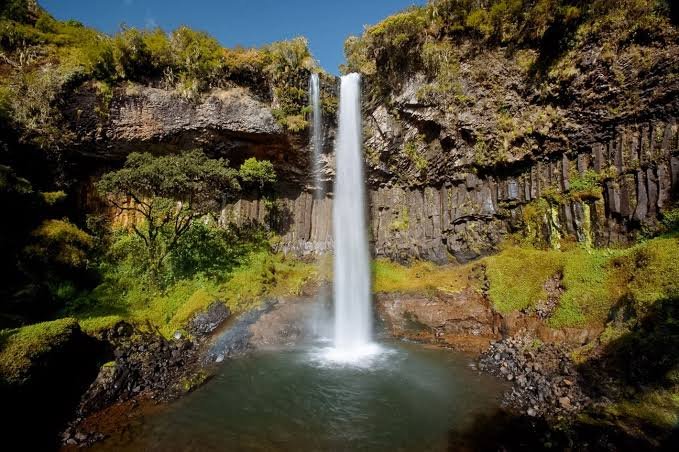
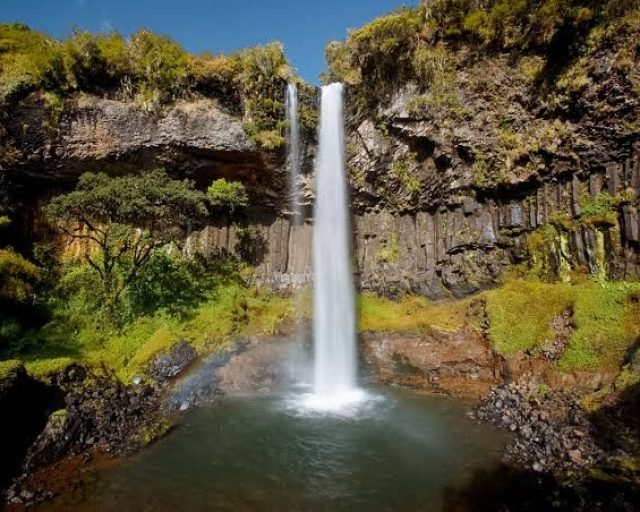
March–May | Long rains | Lush green landscapes, fuller rivers and waterfalls, dramatic skies and fewer visitors in some areas. Some remote roads can become muddy. | Photography, birdwatching, green landscapes, quieter safaris |
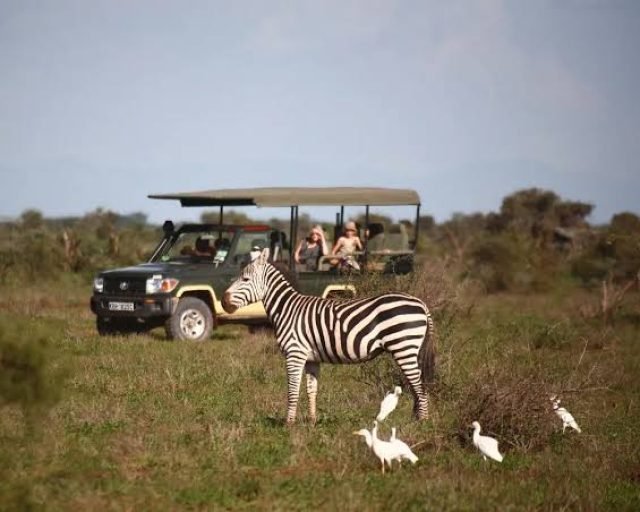
June–October | Dry season | Dry conditions, thinner vegetation and good wildlife viewing. The Great Migration becomes a major attraction in the Masai Mara later in the year, although timing varies with rainfall and grazing. | Wildlife, safari, Great Migration, photography |
November–December | Short rains | Fresh green landscapes, renewed vegetation and a vibrant atmosphere, with a different experience from the busy peak season. | Photography, scenery, wildlife, green landscapes |
Wild Hunters Safari tip: The best time to visit Kenya ultimately depends on the experience you want, from classic wildlife viewing and the Great Migration to lush landscapes, photography, cultural experiences and quieter safaris.
If wildlife is Kenya’s heartbeat, its people are part of its soul.
Kenya is home to more than 40 recognised ethnic communities, each with its own history, language, traditions and cultural identity.
Travelling through the country means encountering different ways of life.
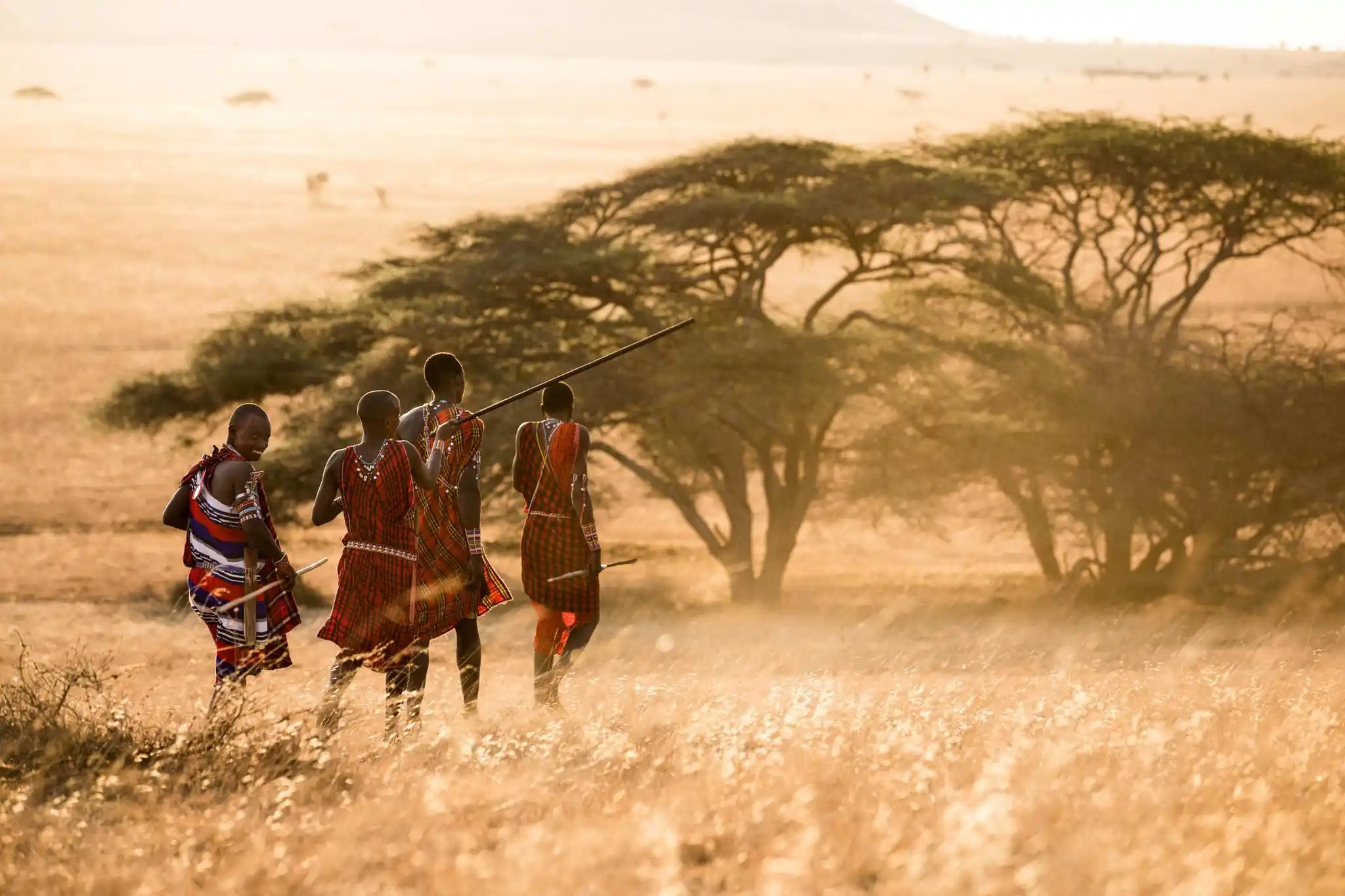
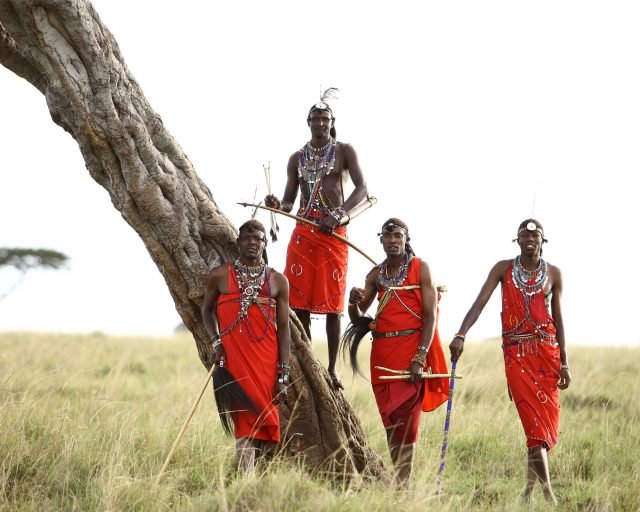
The Maasai are perhaps the most internationally recognised, particularly around the southern Kenya safari areas. Their pastoral traditions, distinctive clothing, music and relationship with cattle have become an important part of Kenya’s cultural identity.
Further north, the Samburu have developed traditions closely connected to the dry landscapes of northern Kenya.
In the central highlands, communities such as the Kikuyu have deep agricultural traditions, while the coast carries the distinctive culture of the Swahili people, shaped over centuries by African, Arab and Indian Ocean influences.
Other communities, including the Turkana, Kamba, Luo, Luhya, Kisii, Meru and many others, add to Kenya’s cultural diversity.
For Wild Hunters Safari, these cultures are not simply something to just photograph. They are stories to listen to, they are meals to share, they are traditions to understand, and they are part of what makes travelling through Kenya meaningful.
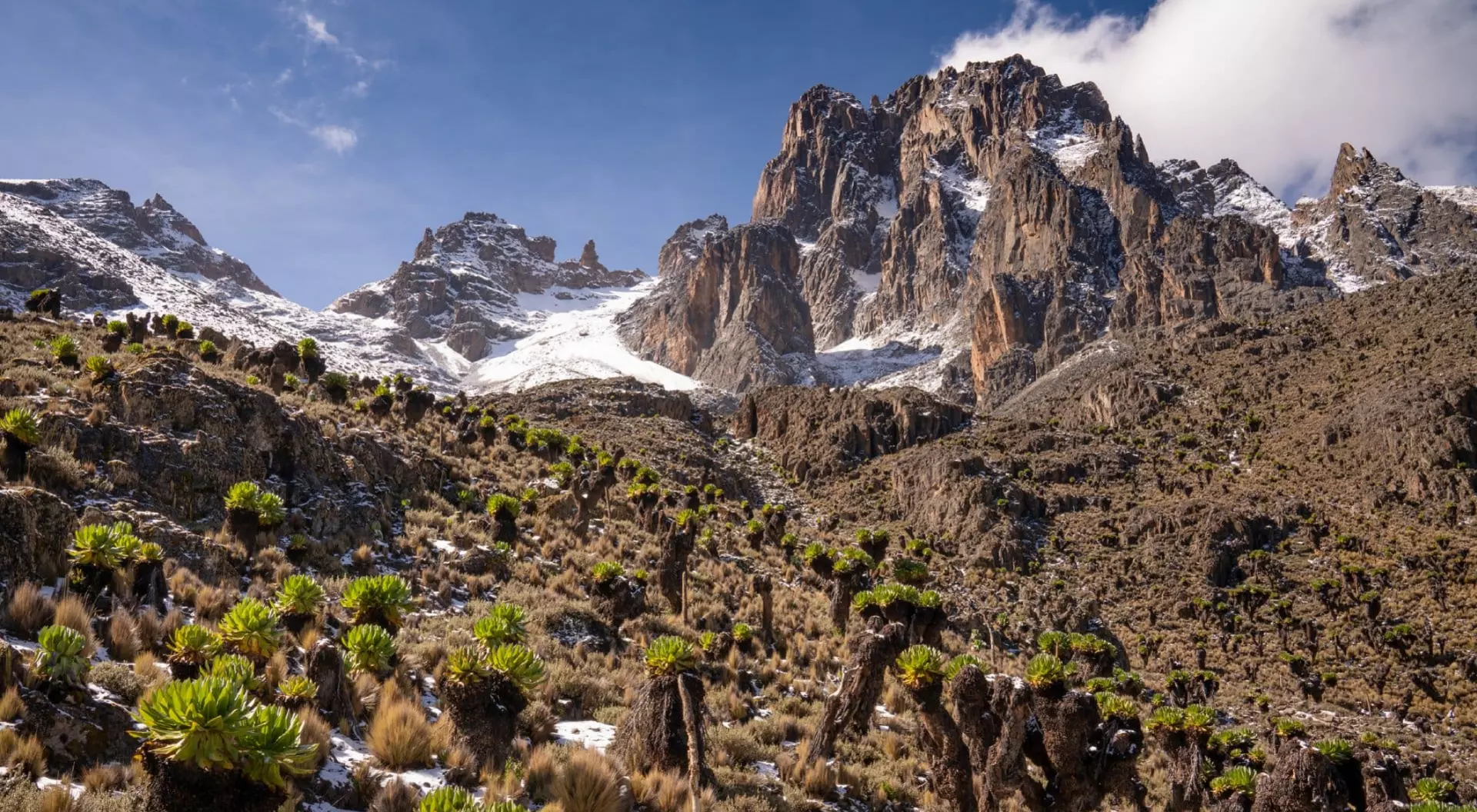
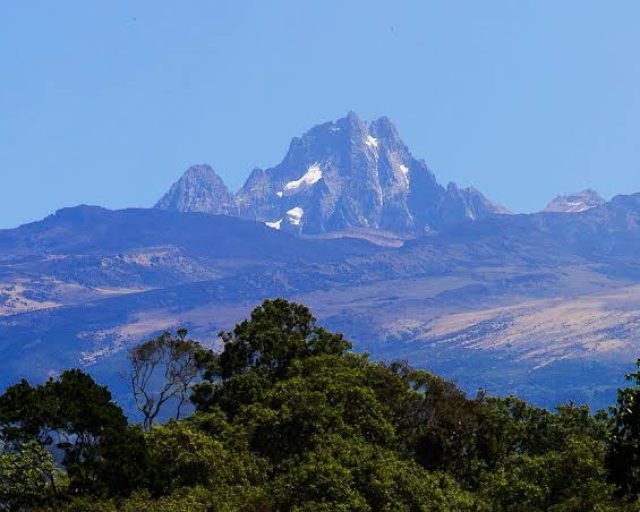
Kenya’s protected areas are incredibly diverse. Some are vast savannah wildernesses, while others protect mountains, forests, wetlands, volcanic landscapes and marine environments. Kenya Wildlife Service describes the country’s protected areas as ranging from the snow-capped Mount Kenya to the red plains of Tsavo and the lakes of the Rift Valley.
Below are some of the key parks and safari destinations we recommend highlighting on the Wild Hunters Safari destination page.