
- Overview
- Trip Outline
- Trip Includes
- Trip Excludes
- Gallery
- Reviews
- Booking
- FAQ
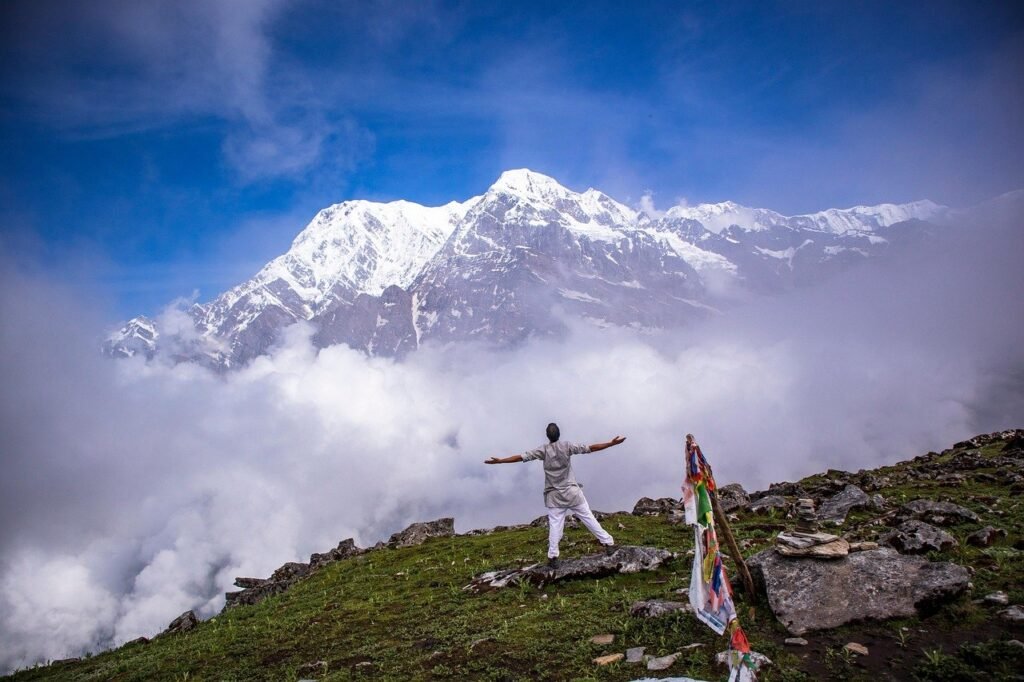
The Annapurna Base Camp Trek is one of the most iconic trekking experiences in Nepal, offering a stunning journey into the heart of the Himalayas. The trail leads you through traditional villages, lush rhododendron forests, terraced fields, and dramatic mountain landscapes before reaching the breathtaking natural amphitheater of Annapurna Base Camp.
This trek is perfect for adventurers who want a balanced mix of cultural experience and high-altitude mountain scenery without requiring extreme technical climbing skills. Along the way, trekkers enjoy panoramic views of peaks like Annapurna I, Machapuchare (Fishtail), and Hiunchuli.
No details found.
Itineraries
Day 1
Date : April 26, 2026
Time : 10:00 am
Arrive in Pokhara (825m).
Day 2
Date : April 27, 2026
Time : 9:00 am
Drive to Siwai/Klue and trek to Ghandruk (2,000m).
Day 3
Date : April 28, 2026
Time : 9:00 am
Trek to Chhomrong (2,200m).
Day 4
Date : April 29, 2026
Time : 9:00 am
Trek to Bamboo (2,300m).
Day 5
Date : April 30, 2026
Time : 9:00 am
Trek to Deurali (3,200m).
Day 6
Date : May 1, 2026
Time : 9:00 am
Your PlanTrek to Annapurna Base Camp (4,130m) via Machhapuchhre Base Camp.
Day 7
Date : May 2, 2026
Time : 9:00 am
Trek down to Bamboo.
Day 8
Date : May 3, 2026
Time : 9:00 am
Trek to Jhinu Hot Spring (1,700m).
Day 9
Date : May 4, 2026
Time : 9:00 am
Trek to Jhinu Bridge and drive to Pokhara.
Day 10
Date : May 5, 2026
Time : 11:00 am
Departure from Pokhara.
- Permits & Fees: Annapurna Conservation Area Project (ACAP) permit and Trekkers' Information Management System (TIMS) card.
- Accommodation: Basic teahouse/lodge accommodation throughout the trek.
- Meals: Three meals a day (breakfast, lunch, and dinner) along with tea/coffee.
- Transportation: Tourist bus or private jeep from Kathmandu/Pokhara to the trekking starting point.
- Guides & Staff: Licensed English-speaking guide and porter (usually 1 porter per 2 trekkers).
- Safety: Basic medical kit/salary for local staff.
- Travel Documents & Insurance: Nepalese visa fee, personal travel/medical insurance, and emergency evacuation costs.
- Transport & Accommodation: International airfare, domestic flights, and accommodation in Kathmandu (or sometimes Pokhara).
- Food & Beverages: Lunch and dinner in Kathmandu and Pokhara; bottled water, hot drinks, alcoholic beverages, and soft drinks on the trek.
- Personal Expenses: Hot showers, Wi-Fi, battery charging, laundry, and souvenirs.
- Services: Tips for guides and porters.
- Gear: Personal trekking equipment, clothing, and gear (sleeping bag, trekking poles).
Yes, it is considered very beginner-friendly, though physical fitness preparation (cardio/leg strength) is recommended.
It is recommended to keep your day pack as light as possible, carrying only essentials, water, and rain gear.
Avoid alcohol, drink 3–4 litres of water daily, and never hesitate to inform guides of any discomfort.
Yes, always use 3 layers of clothing, and keep a raincoat/poncho handy.
You need two permits: the Annapurna Conservation Area Permit (ACAP) and the TIMS card (Trekkers' Information Management System).
As of April 1, 2023, the Nepal tourism board requires trekkers to have a guide for most treks, including the Annapurna region.
On average, you will walk 5–7 hours per day (around 10–15 km), covering approximately 65–115 km total depending on the route.
Related Trips
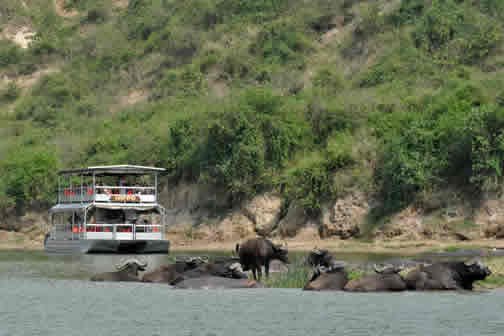
14 Days Holiday Uganda Rwanda Safari – wild and Primates
A complete 7-day Kenya safari through Nairobi, Lake Nakuru, and the Maasai Mara.
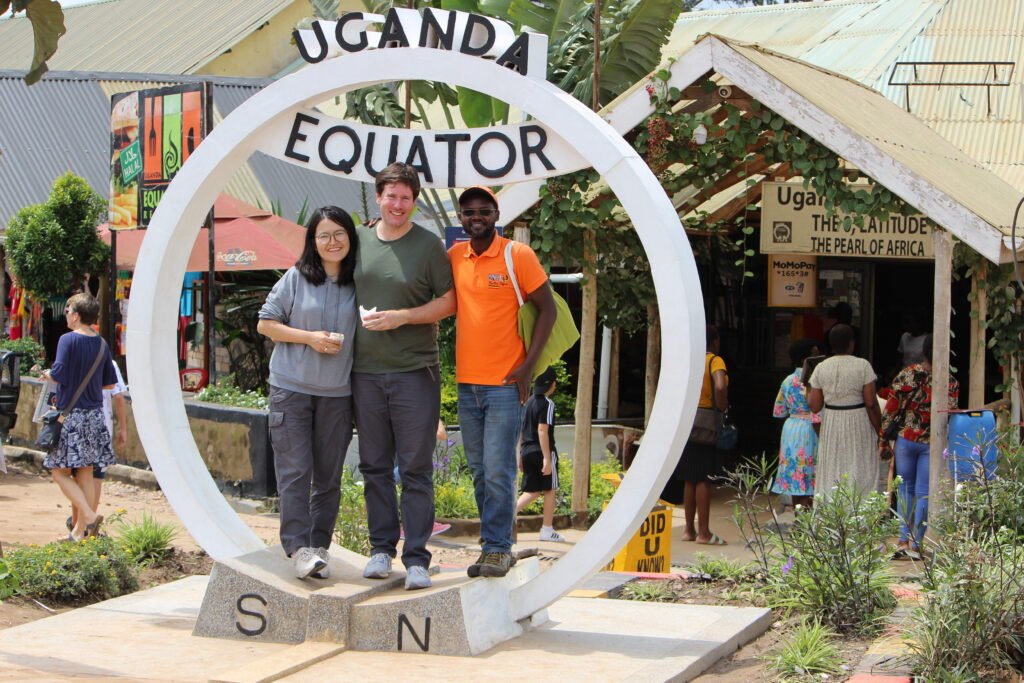
7 Days Uganda Short Holiday – Wildlife & Gorilla Trekking
wildlife and people encounters
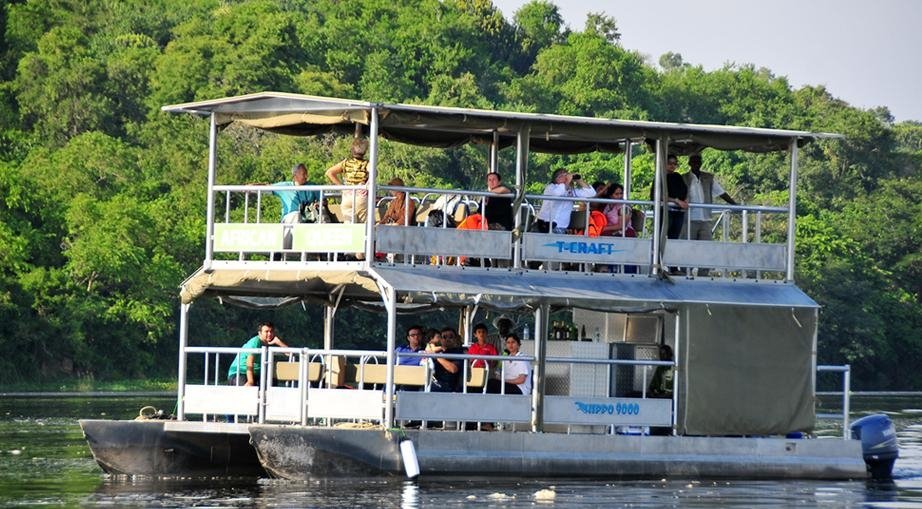
5 Days Short Uganda Tour with Gorillas
Experience Uganda’s wild beauty, from savannah adventures to an unforgettable gorilla encounter
There are no reviews yet.